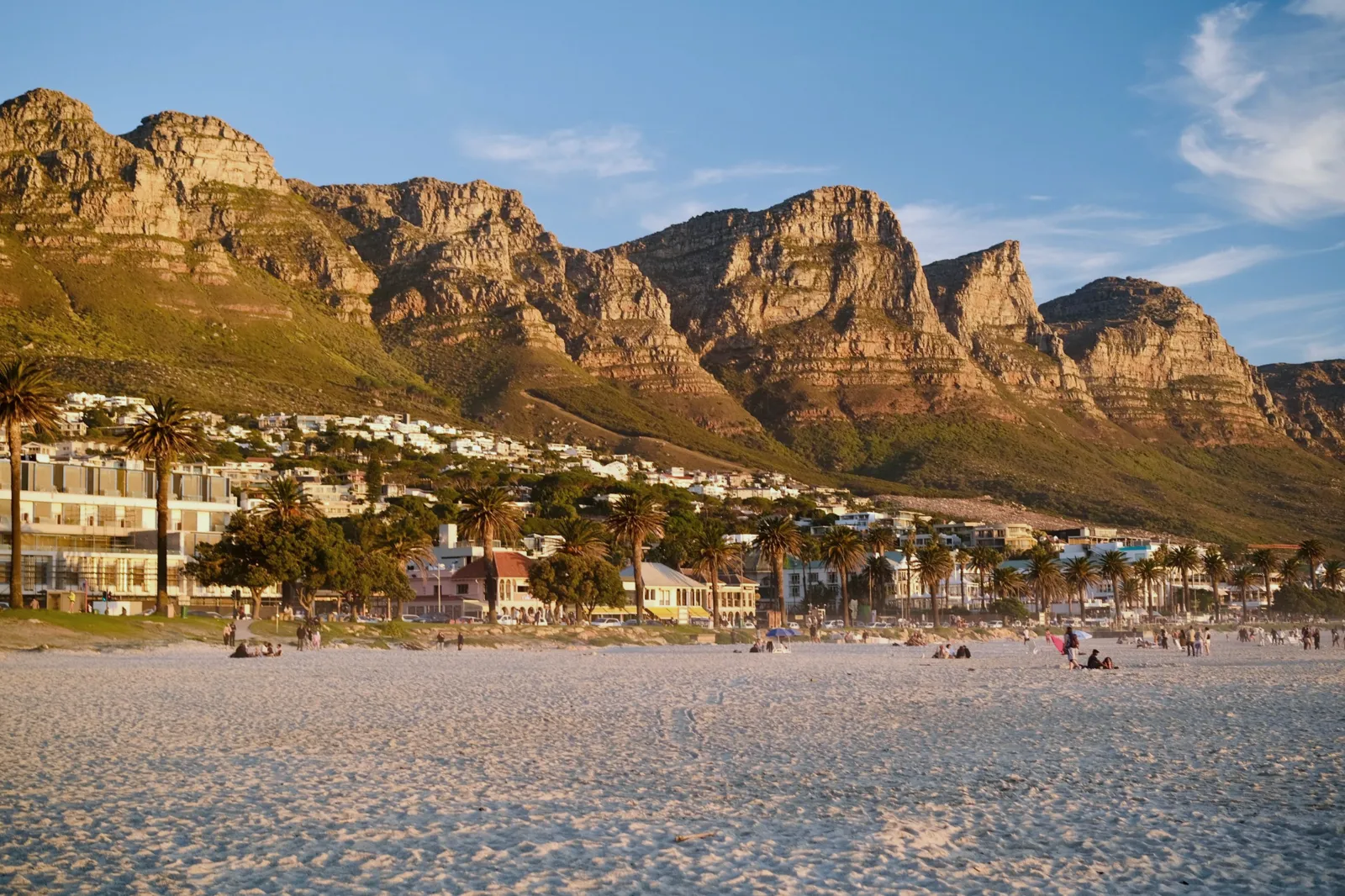
South Africa does not have one cuisine but several, blended over time. Here are the main dishes of each major community, so you know what to look for at a market, by the roadside or on a menu.
A cuisine born of encounters
In Cape Town, you eat the country’s history. The Khoisan and Bantu-speaking peoples, Dutch sailors and settlers, enslaved people brought from Indonesia, India or Madagascar, French Huguenots, Indian workers in Natal and the British all left a dish, a spice or a way of cooking. The result is both very varied and very coherent: grilled meats, sweet-spiced flavours, maize, bread, fish and a great deal of sharing.
This article presents the essential dishes, community by community, without addresses: the idea is to give you the landmarks to recognise what is worth a detour. Good tables are found on the ground, depending on the road, the time and the mood of the day.
Cape Malay cuisine: the scent of the Cape
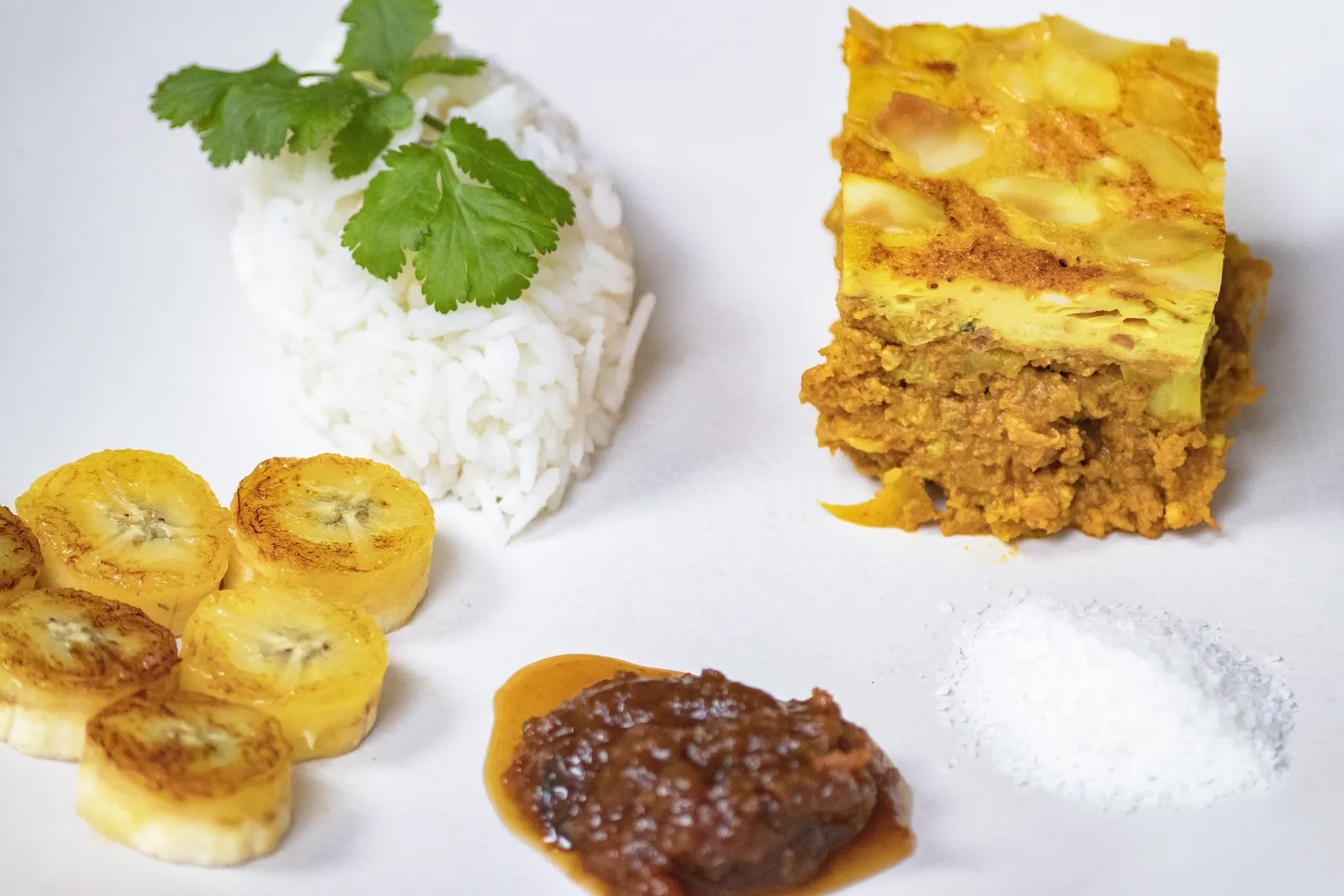
The Cape Malay community descends from the enslaved people, craftsmen and political exiles brought to the Cape by the Dutch East India Company from the mid-17th century, from Indonesia, India, Ceylon, Madagascar and East Africa. The word “Malay” is historical: these families came from far beyond Malaysia. Mostly Muslim, they made the Bo-Kaap their neighbourhood and their cooking one of the signatures of Cape Town.
The emblematic dish is bobotie: minced meat lightly spiced with mild curry, raisins and almonds, topped with an egg-and-milk custard baked until golden. It is often served with yellow rice with raisins, bananas and sambals. Sweet-savoury, spiced without being hot, it is the first dish to try if you only pick one.
Around bobotie, look for bredie (a slow-cooked stew, with tomato or beans), denningvleis (lamb flavoured with tamarind and spices), sosaties (marinated skewers) and pickled fish, an Easter dish. The spices are those of the spice route: cinnamon, cumin, coriander, turmeric, cardamom. They perfume without burning.
Samosas, dhaltjies and Bo-Kaap snacks
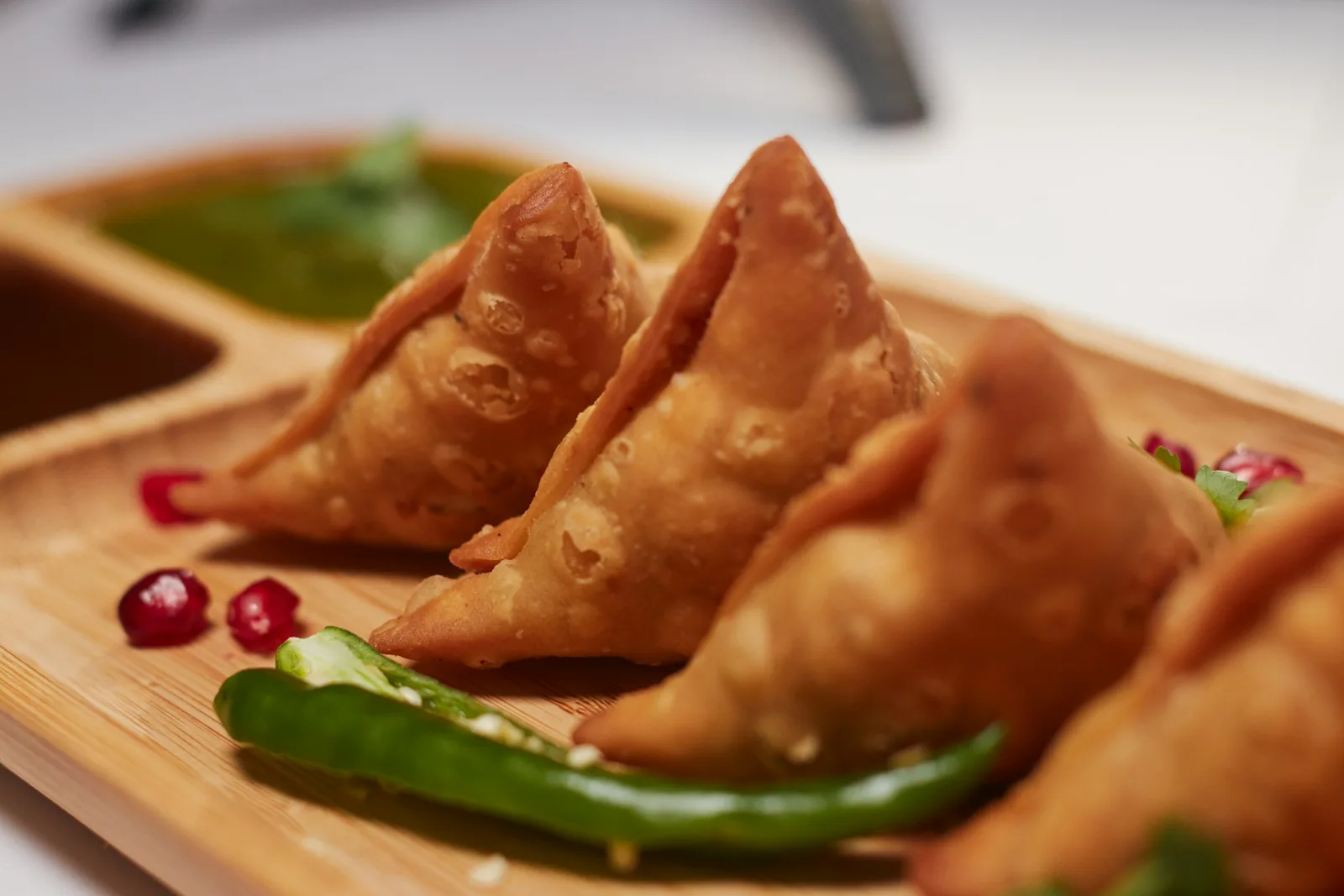
Cape Malay cooking is also eaten with the fingers. Samosas (crisp triangles filled with meat, vegetables or cheese) and dhaltjies (small chickpea-and-chilli fritters) are snacked on at any time of day, especially during Ramadan, when families gather at sunset. Bakeries and small neighbourhood shops sell them by the piece: they are an ideal snack for a break.
The braai: much more than a barbecue
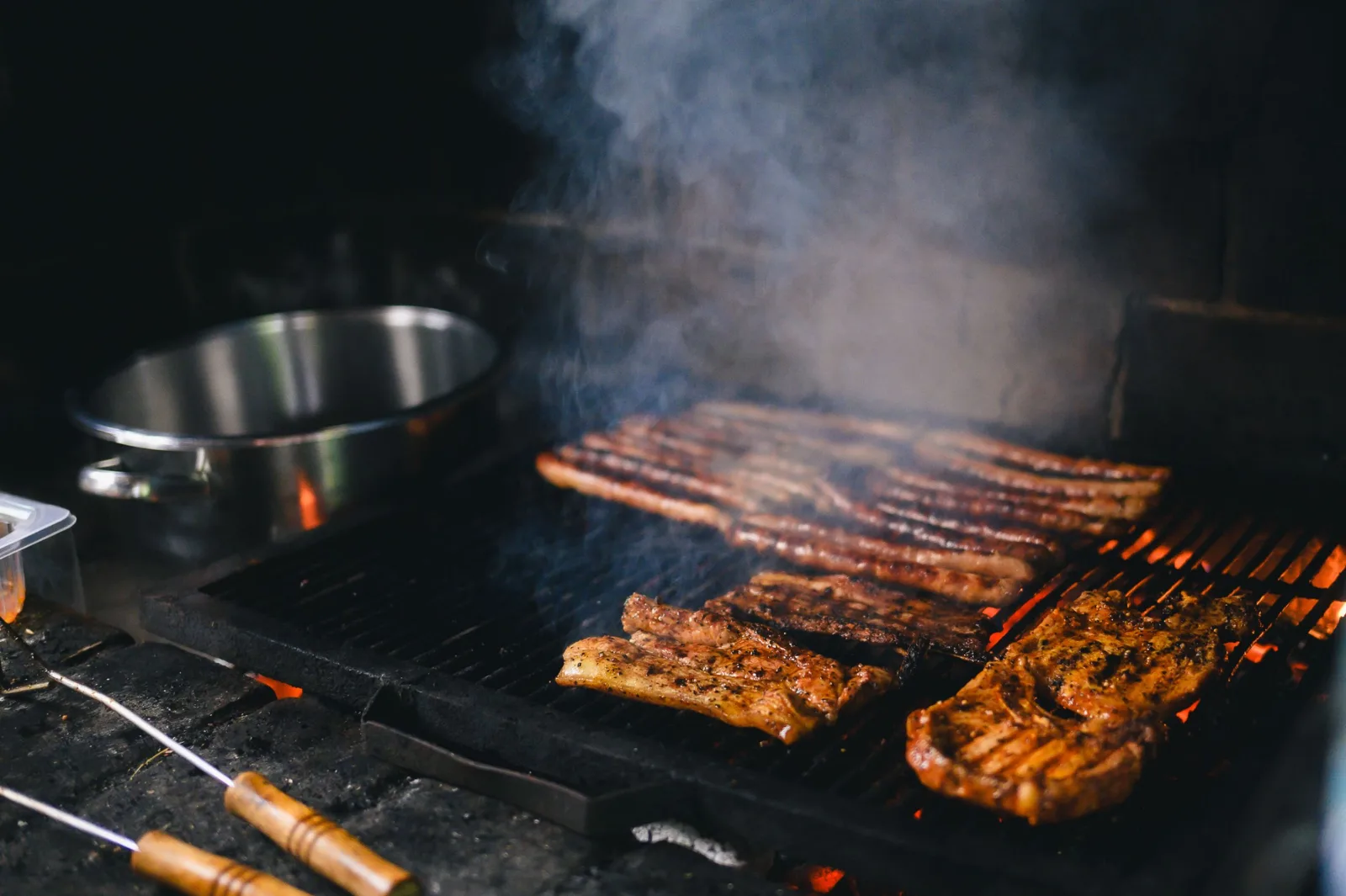
In South Africa you don’t say “barbecue” but braai (pronounced “bry”). It is a social ritual: you light the fire, you talk, you wait for the embers and you eat late. Every community practises it, with its own variations. On 24 September, Heritage Day, it has become a kind of informal national celebration.
On the menu: boerewors, a coiled beef sausage flavoured with coriander and clove, lamb chops, marinated chicken and sosaties. It comes with pap (a white-maize polenta) and a tomato-and-onion sauce, a potato salad or a braaibroodjie, a grilled sandwich of tomato, onion and cheese. Potjiekos, a stew slowly cooked in a cast-iron pot set on the coals, is its slow-cooking cousin.
Biltong and droëwors: the traveller’s snack
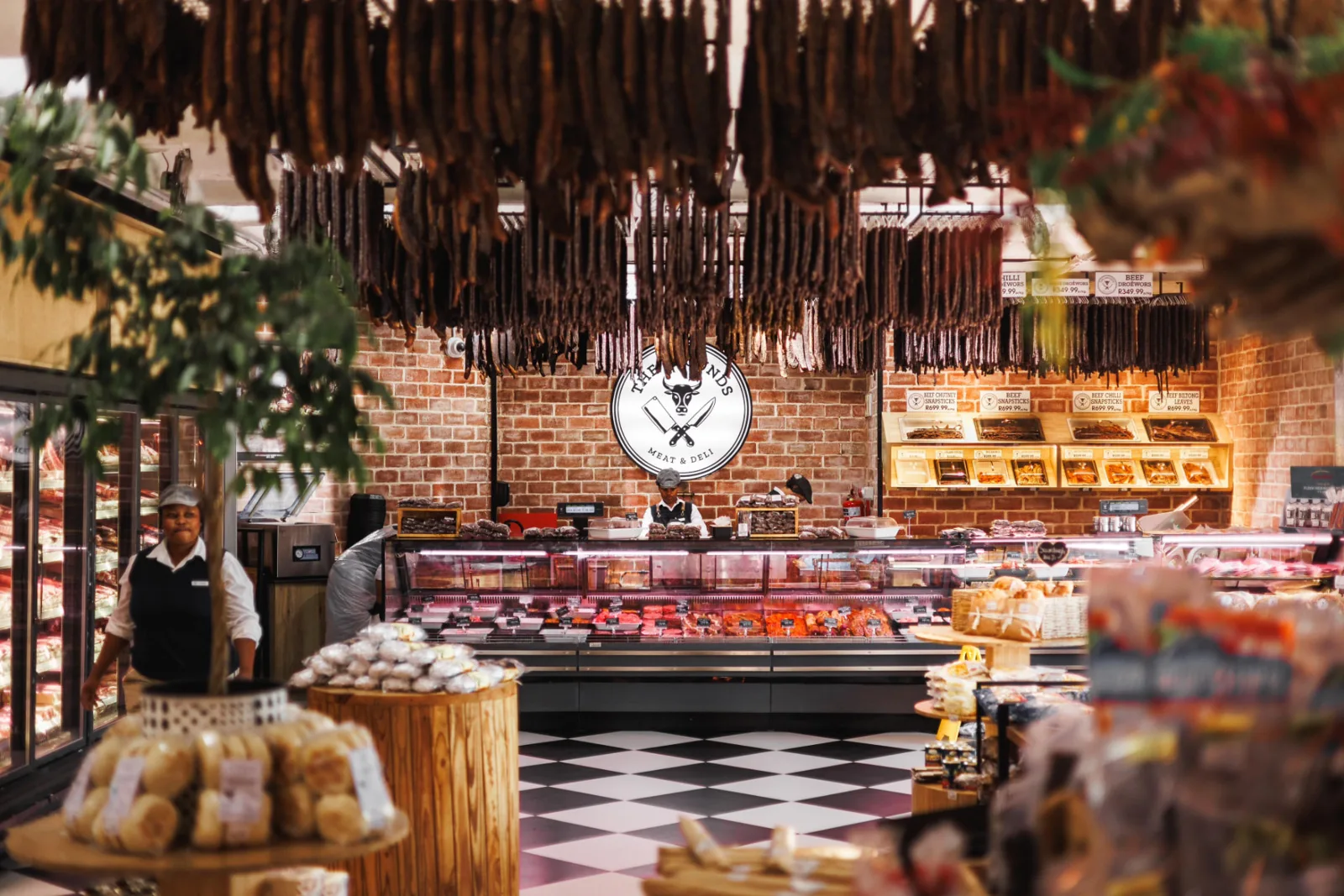
Biltong is air-dried meat, marinated in vinegar, salt, coriander and pepper. It is not smoked and is nothing like American jerky: it is more tender, a little tangy, and is cut into thin slices or sticks. It is made with beef, but also with game such as springbok, kudu or ostrich. Droëwors is the sausage version, dry and highly flavoured.
Born of the need to preserve meat on the pioneers’ long journeys, biltong has remained the snack of the road. You find it at butchers, in petrol stations and at almost every market. It is a very good travelling companion.
Our address: The Grounds Meat & Deli, 76 Edward Road, Bellville. A family butchery where the biltong and droëwors, made in-house with roasted coriander, hang from the ceiling. We recommend it.
Vetkoek: the fried bread of the roadside
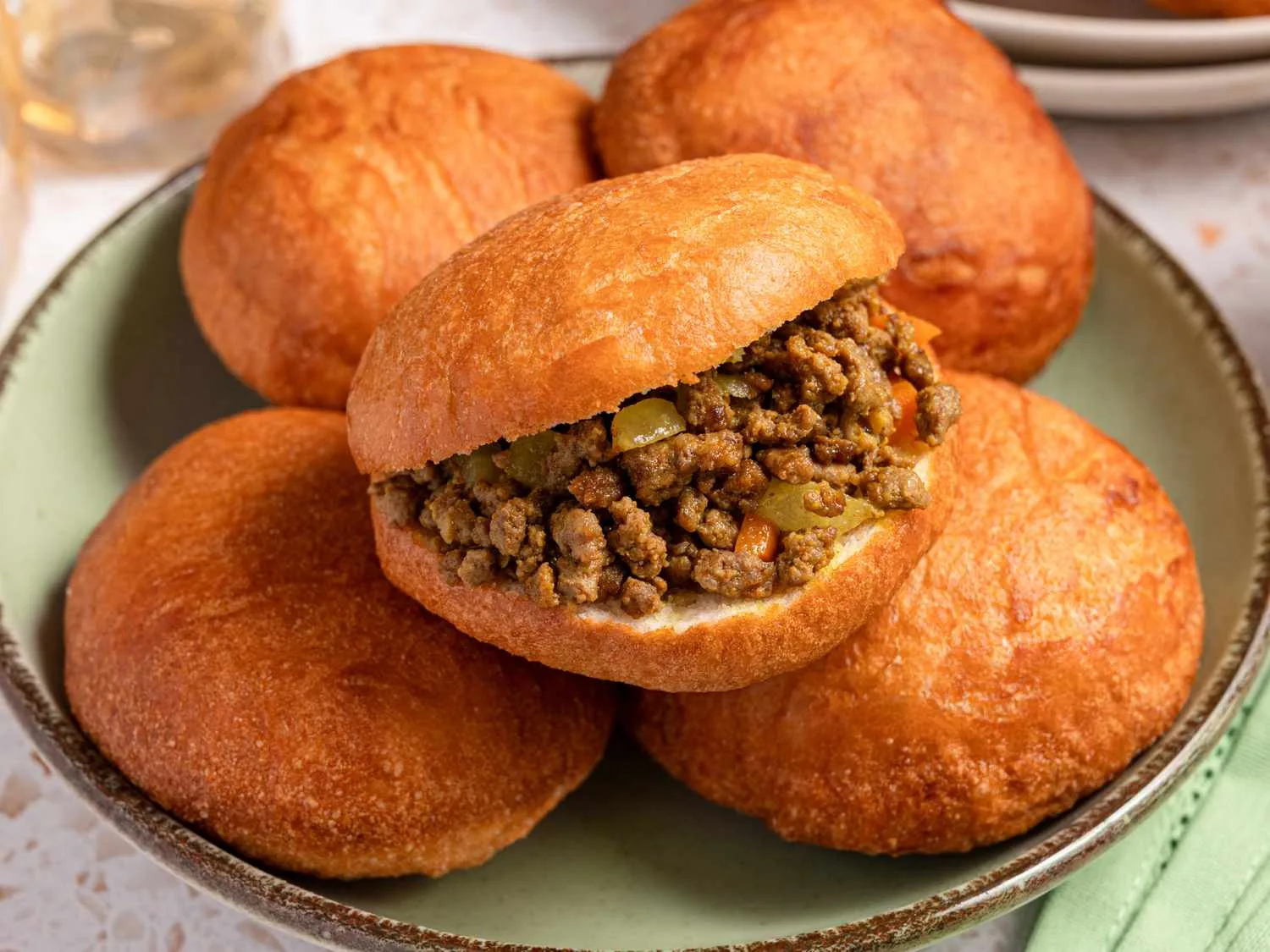
Vetkoek (“fat cake” in Afrikaans) is a ball of risen dough deep-fried in oil: golden outside, soft inside. It is split open and filled, most often with mince, curried minced meat. The sweet version comes with jam, cheese or golden syrup.
You find it at markets, farm stalls and along the roads. One filled vetkoek makes a meal, and it is a good stop during a motorcycle tour.
The Indian heritage: bunny chow and curries
From 1860, indentured workers from India arrived in Natal to work the sugar plantations, followed by merchants. Durban is now home to one of the largest Indian communities outside India, and its cooking has spread across the country.
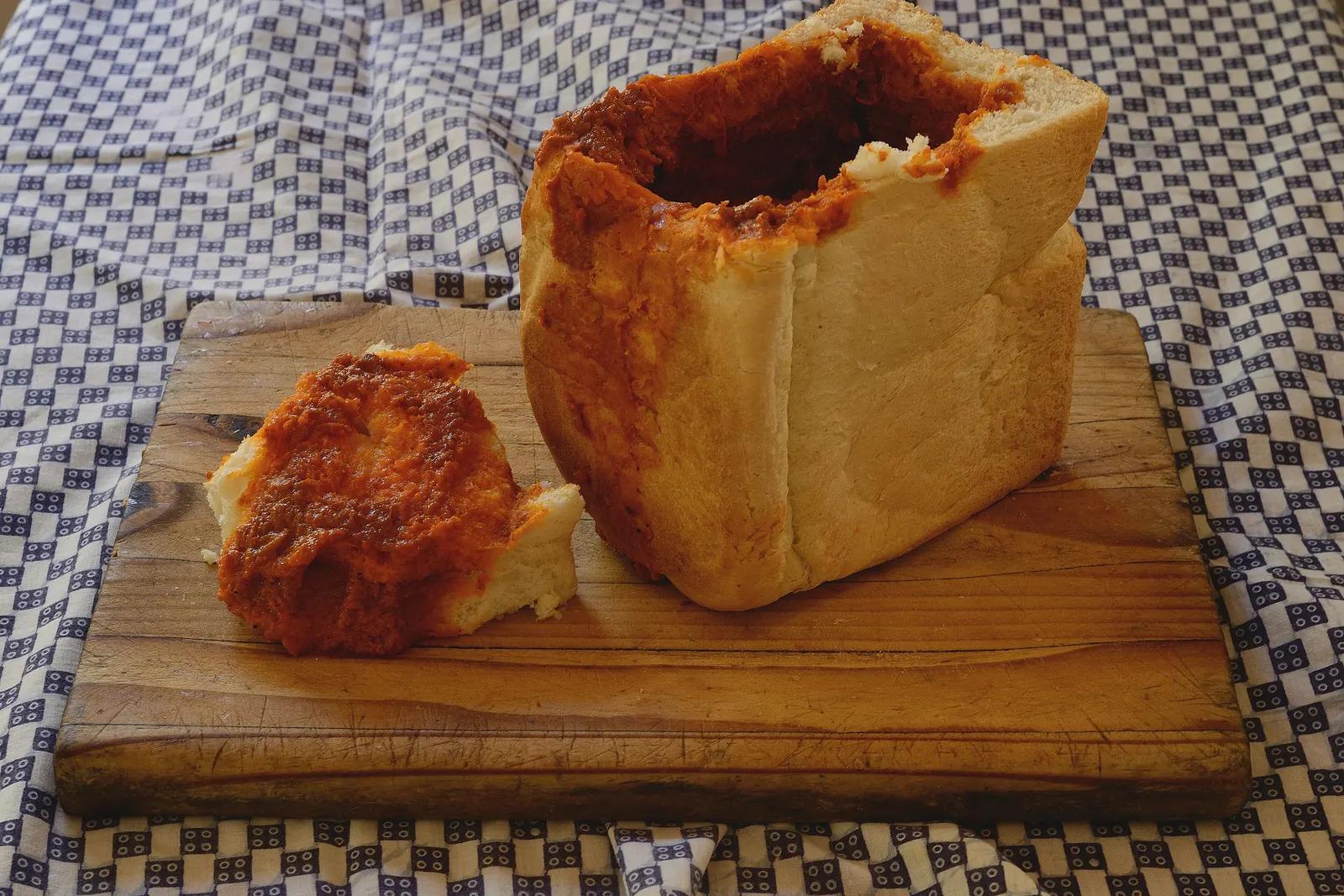
The dish to know is bunny chow: a quarter or half loaf of bread hollowed out and filled with lamb, chicken or bean curry, served with sambals (grated carrot, onion, chilli). You eat it with your fingers, tearing off the bread to dip into the sauce. Its exact origin is debated, but it was born in Durban and is now found all the way to Cape Town. Durban curry is hotter than Cape Malay curries, and roti (a soft flatbread) is used to mop it up.
Xhosa and Zulu cooking: pap, chakalaka and grilled meat
For the Xhosa and Zulu communities, who make up the majority in South Africa, the staple is pap: a white-maize porridge, soft or stiff, eaten with the fingers. It comes with grilled or stewed meat and chakalaka, a relish of spiced vegetables (carrots, peppers, beans, tomatoes) served cold or warm.
Look also for umngqusho, a slow-cooked mix of cracked maize (samp) and beans, often described as one of Nelson Mandela’s favourite dishes; morogo, cooked green leaves; and amagwinya (also called vetkoek), fried yeast-dough buns filled with minced meat. The traditional drink is umqombothi, a maize and sorghum beer served at ceremonies.
In the townships, the grilling tradition is called shisa nyama (“burn the meat” in Zulu): you choose your meat from the butcher and then have it grilled on the spot, with music, among friends. It is an experience best lived with someone from the neighbourhood.
Sweet things: koeksisters, melktert and malva
Beware of the mix-up: there are two koeksisters. The Afrikaans version is a fried plait, crisp, dipped in an icy syrup. The Cape Malay version, the koesister, is a yeast-dough doughnut flavoured with cinnamon, ginger and aniseed, rolled in grated coconut. Both are eaten at breakfast or with coffee.
On the dessert side, melktert is a cinnamon milk tart, malva pudding a spongy, caramelised cake served with hot cream, and hertzoggies are small tartlets with apricot jam and coconut. Rusks (beskuit), dry biscuits, are dunked in coffee or rooibos.
Fish and seafood from the coast
Between the Atlantic and the Indian Ocean, the sea provides fresh, simple cooking. Snoek, a west-coast fish, is often grilled with an apricot-jam glaze or smoked. Mussels, calamari and West Coast rock lobster complete the picture. Fishing is regulated by quotas: do not hesitate to ask where the fish comes from, or to rely on the WWF’s SASSI sustainable seafood guide.
Eating on the road, by motorcycle
On our tours, the lunch stop is part of the journey. We do not publish addresses: it is Mathis’s job to choose the stop, depending on the road, the weather and the time of day. A few things to keep in mind: weekend markets and Winelands farms are excellent places to taste several dishes at once, and small village cafés often serve the best home cooking.
There is one absolute rule on the bike: no alcohol before getting back on the road, even for a wine tasting. To discover the roads themselves, read a motorcycle day on the Cape Peninsula, Franschhoek and the Winelands by motorcycle or Route 62.
A few tips for ordering
Portions are generous: sharing is the rule. Service is generally not included: a 10 to 15% tip is customary. Many Cape Malay places are halal and do not serve alcohol. To eat vegetarian, pap, chakalaka, vegetable curries and bean bunny chow are good options. If you have an allergy, say so: you will be understood without difficulty. Tap water is safe to drink in Cape Town.
Photo credits
Photos from Wikimedia Commons, used under their original licence. Bobotie: Olivier Lemoine (CC BY-SA 4.0). Bunny chow: Lucinda jolly (CC BY-SA 4.0). Photos resized.
Frequently asked questions
What is South Africa’s national dish?
There is no official dish. Bobotie is often cited, and the braai (the wood-fire grill) is the most widely shared culinary institution.
Is South African food very spicy?
Rarely. Cape Malay cooking is fragrant rather than hot. Durban curries are the spiciest, and the chilli can almost always be adjusted on request.
Can I eat vegetarian?
Yes. Pap, chakalaka, vegetable or bean curries and vegetable samosas are common options.
Should I leave a tip?
Yes, generally 10 to 15% of the bill, as service is not included.
Is the tap water safe in Cape Town?
Yes, in Cape Town it is drinkable. Elsewhere in the country, ask locally.