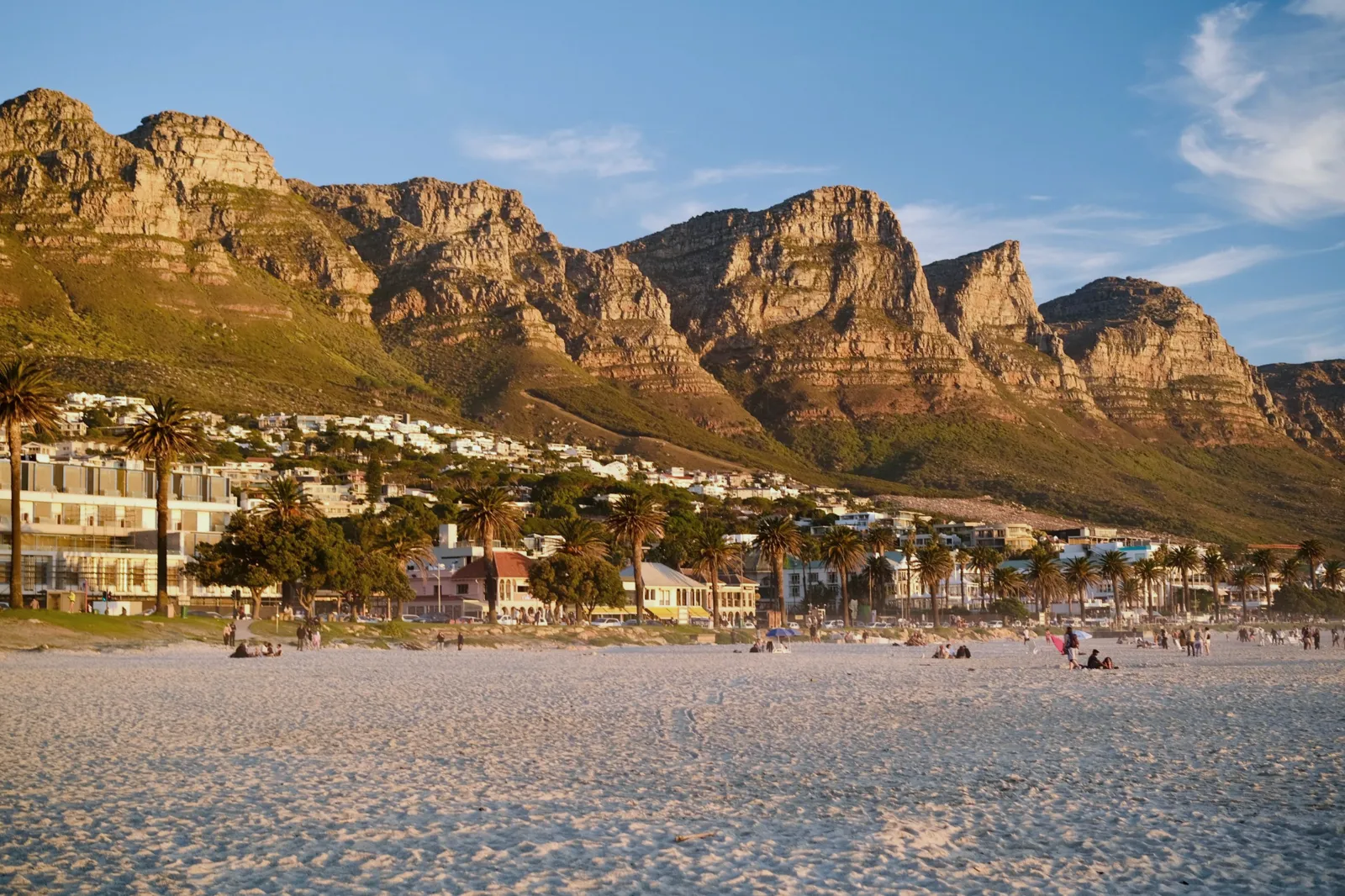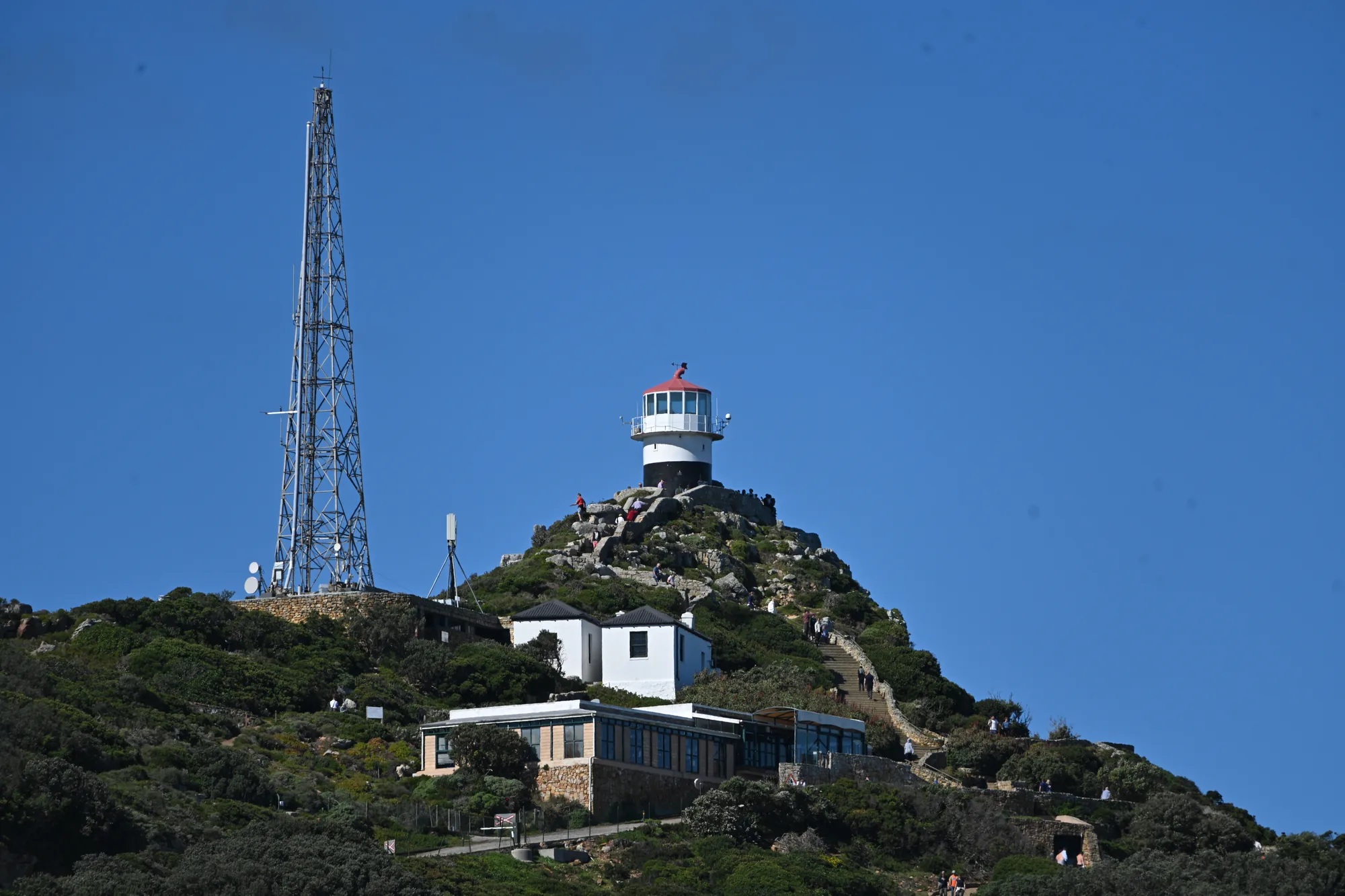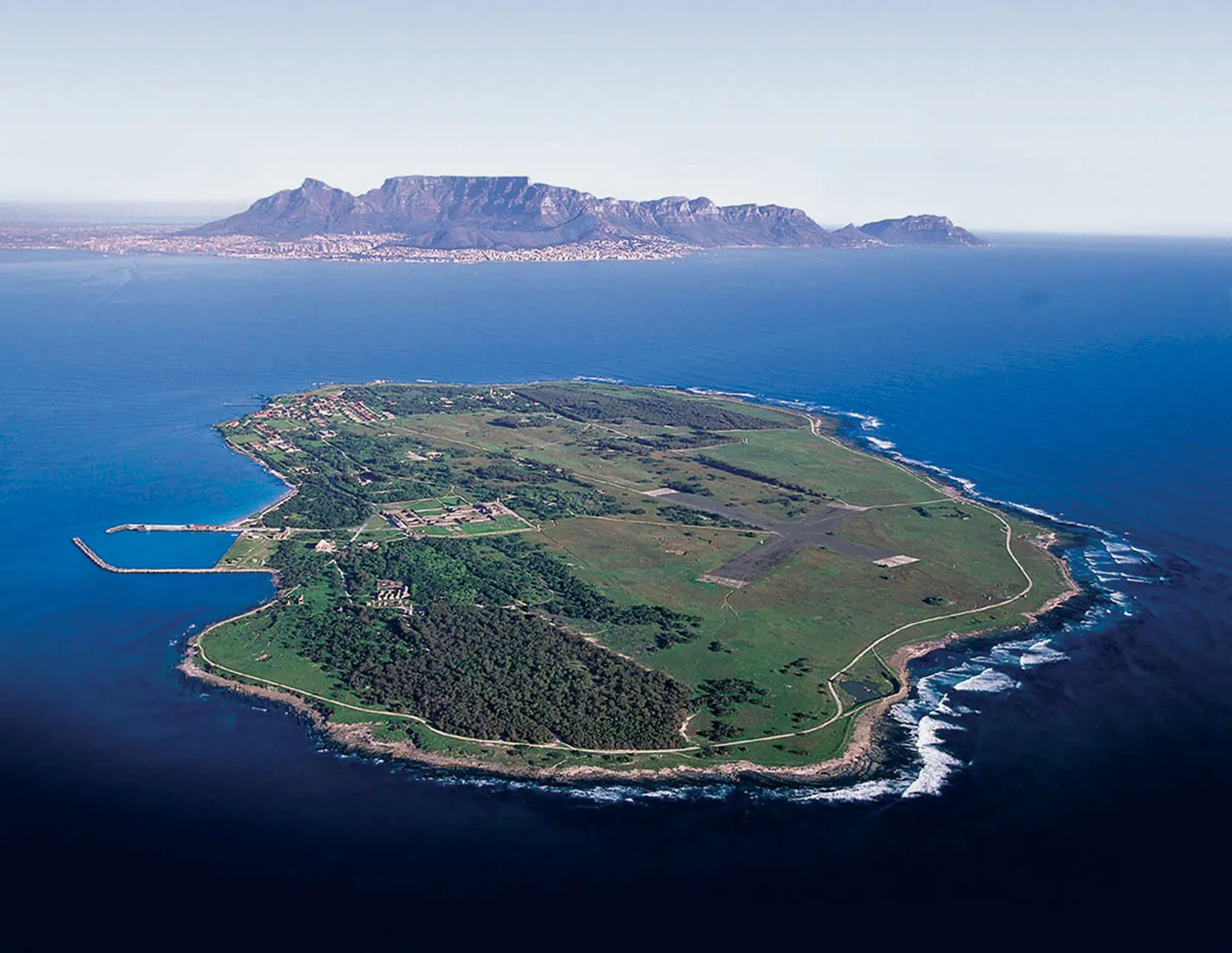
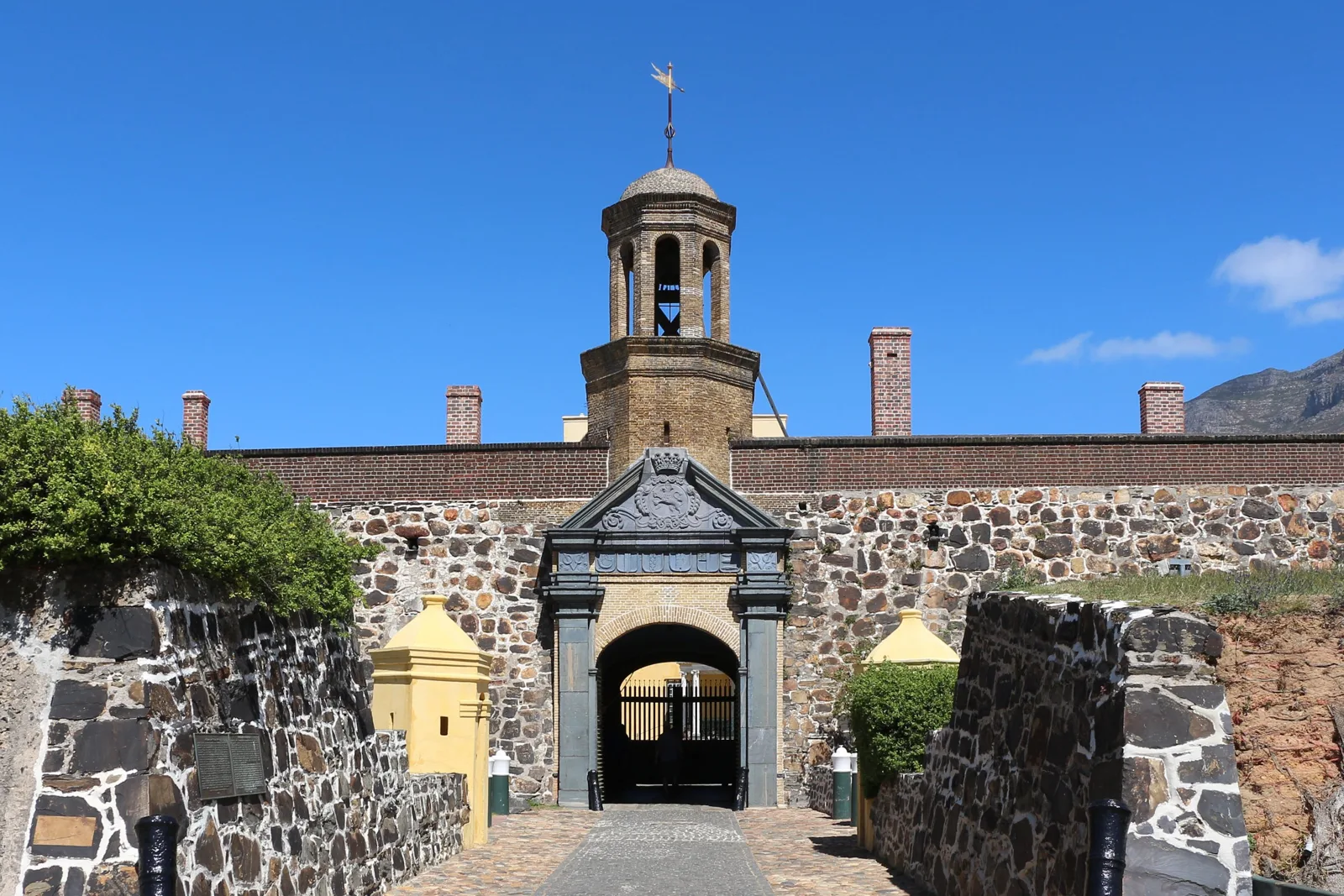
In Cape Town, history is not confined to museums: it is in the streets, the colourful neighbourhoods, the forts and the islands you glimpse from the coast. Here are the main landmarks, from prehistory to democracy, to help you read what you will see.
The first inhabitants: the San and the Khoekhoe
Long before European ships, the Cape region was inhabited by the San, hunter-gatherers present in southern Africa for tens of thousands of years, and by the Khoekhoe, herders of cattle and sheep. They left rock paintings, place names and edible or medicinal plants that are still used today.
Further east, Bantu-speaking peoples, including the ancestors of the Xhosa and the Zulu, gradually settled in the south of the continent during the first millennium. They practised farming and herding and formed kingdoms and chiefdoms. Xhosa and Zulu remain the two most widely spoken African languages in the country today.
1652: the Dutch East India Company’s halfway station
The Portuguese navigator Bartolomeu Dias rounded the Cape of Good Hope in 1488, and Vasco da Gama opened the route to India a few years later. But it was in 1652 that the Dutch East India Company sent Jan van Riebeeck to found a refreshment station at Table Bay, so its ships could restock on the spice route.
The station became a colony. Slavery was practised from 1658: men, women and children were brought from Indonesia, India, Madagascar and East Africa. Dutch and German settlers and French Huguenots (who arrived in 1688 in the Franschhoek area) settled there, and the first vines were planted. The Castle of Good Hope, built between 1666 and 1679, is the oldest surviving colonial building in the country.
For the Khoekhoe, the arrival of the settlers was a disaster: their pastures were taken, their cattle coveted, and epidemics, including a severe smallpox outbreak in 1713, devastated their communities. The descendants of the Khoekhoe, the San, enslaved people and settlers gradually formed the mixed society of the Cape, whose traces can still be found in names, languages and cooking.
The Bo-Kaap, living memory
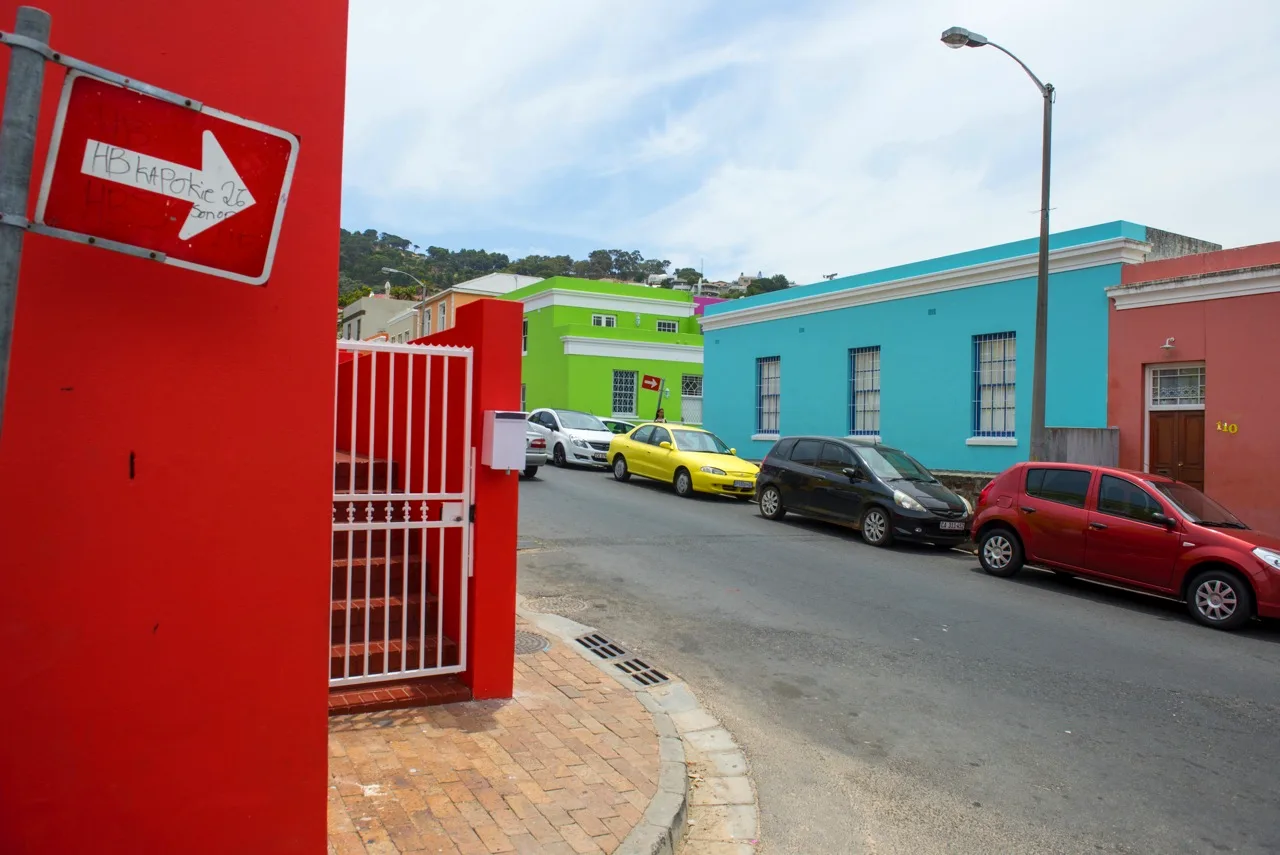
At the foot of Signal Hill, the Bo-Kaap became over the centuries the neighbourhood of the Cape Malay communities, descendants of the enslaved people, craftsmen and exiles brought from Asia and Africa. One of its mosques, opened in 1794, is among the oldest in the country. The pastel façades, the cobbled streets and the call to prayer echoing at sunset make it one of the most photographed places in Cape Town, but above all a lived-in neighbourhood, to be walked through with respect.
The British, the mines and the Great Trek
The British seized the Cape in 1795, then permanently in 1806. Slavery was abolished in 1834 (with a period of “apprenticeship” until 1838). To escape British administration, many farmers of Dutch descent, the Boers, headed inland on the Great Trek of the 1830s and 1840s, and clashed with the African kingdoms they met.
The discovery of diamonds at Kimberley in 1867, then of gold on the Witwatersrand in 1886, transformed the country: mining towns, railways, migrant labour. The South African War (1899–1902) pitted the British against the Boer republics and led in 1910 to the creation of the Union of South Africa, ruled by the white minority.
Apartheid: 1948–1991
In 1948 the National Party came to power and turned segregation into a system: apartheid. The population was classified by “race”, and laws such as the Group Areas Act of 1950 dictated where each person could live, work and study. In Cape Town, the multiracial District Six was declared “white” in 1966; more than 60,000 residents were forcibly moved to the Cape Flats, far from the centre, and their homes were demolished.
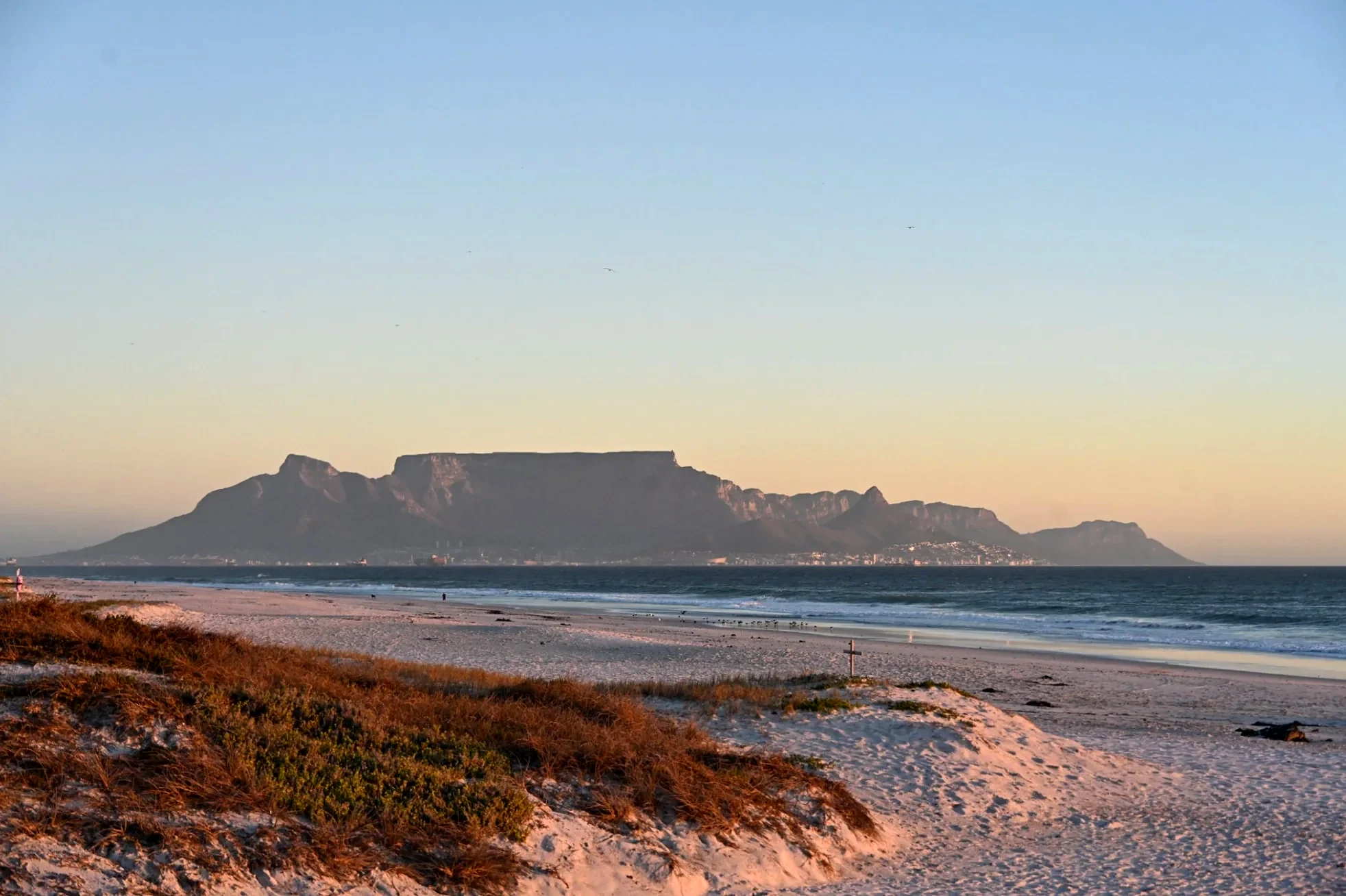
Resistance organised despite repression: the Sharpeville massacre in 1960, the Rivonia trial in 1964, the Soweto uprising in 1976. Nelson Mandela, sentenced to life imprisonment in 1964, spent 18 of his 27 years in detention on Robben Island, the island you can see from the Cape Town waterfront. The world eventually isolated the regime with sanctions.
The system also relied on the pass laws, which required Black South Africans to carry a pass to move around towns, and on the creation of bantustans (the “homelands”), territories where millions of people were stripped of South African citizenship. This history explains the geography of Cape Town today: the townships, set up far from the centre, remain neighbourhoods in their own right, with their own energy, music and food.
1990–1994: the end of apartheid
On 11 February 1990, Nelson Mandela was released. He addressed the crowd from the balcony of Cape Town’s City Hall, a few hundred metres from the Castle of Good Hope. After four years of negotiations, the first democratic, multiracial elections took place on 27 April 1994: Mandela became president. The Truth and Reconciliation Commission (1996) and the 1996 Constitution laid the foundations of the “rainbow nation”.
The country now has twelve official languages, including English, Afrikaans, Xhosa and Zulu, as well as South African Sign Language, recognised in 2023. This diversity can be read everywhere: on signs, in markets, on the radio, and on the plate.
What to visit to understand
A few places offer valuable keys. Robben Island is visited by boat from the V&A Waterfront; book ahead, as crossings are sometimes cancelled in bad weather. The Castle of Good Hope tells the colonial story, the District Six Museum the story of the removals, the Bo-Kaap Museum life in the Cape Malay neighbourhood, and the Iziko Slave Lodge the history of slavery at the Cape.
These visits combine well with a day on the road. To prepare your stay, read a motorcycle day on the Cape Peninsula or What to eat in South Africa, and write to Mathis if you would like to talk it through before booking.
Talking about it with respect
Apartheid is recent history: the people you will meet lived it, or their parents did. Listen, ask simple questions, avoid shortcuts. The word “coloured” refers to a category inherited from apartheid, which many people nevertheless claim as an identity: the simplest approach is to let each person define themselves.
Photo credits
Photos from Wikimedia Commons, used under their original licence. Robben Island: South African Tourism (CC BY 2.0). Photos resized. Bo-Kaap: photo by Mathis Quintana.
Frequently asked questions
When did apartheid end?
The apartheid laws were repealed between 1990 and 1991, and the first multiracial elections took place on 27 April 1994.
How many official languages does South Africa have?
Twelve: eleven spoken languages, including English, Afrikaans, Xhosa and Zulu, plus South African Sign Language.
Do I need to book to visit Robben Island?
Yes, in advance: places are limited and crossings depend on the weather.
Why is Cape Town called the “Mother City”?
Because it is the oldest city in the country, founded in 1652 around the Dutch East India Company’s station.