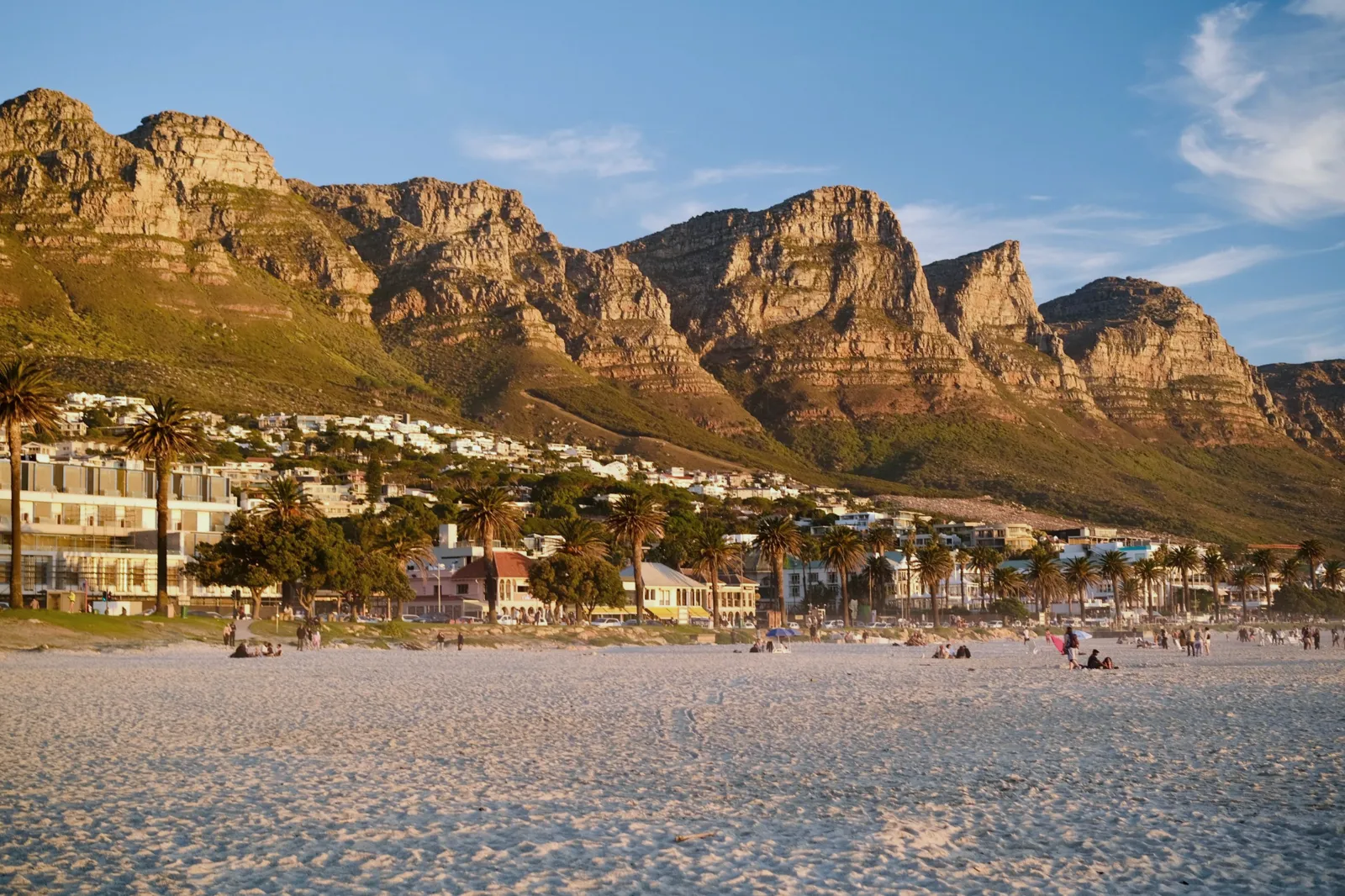
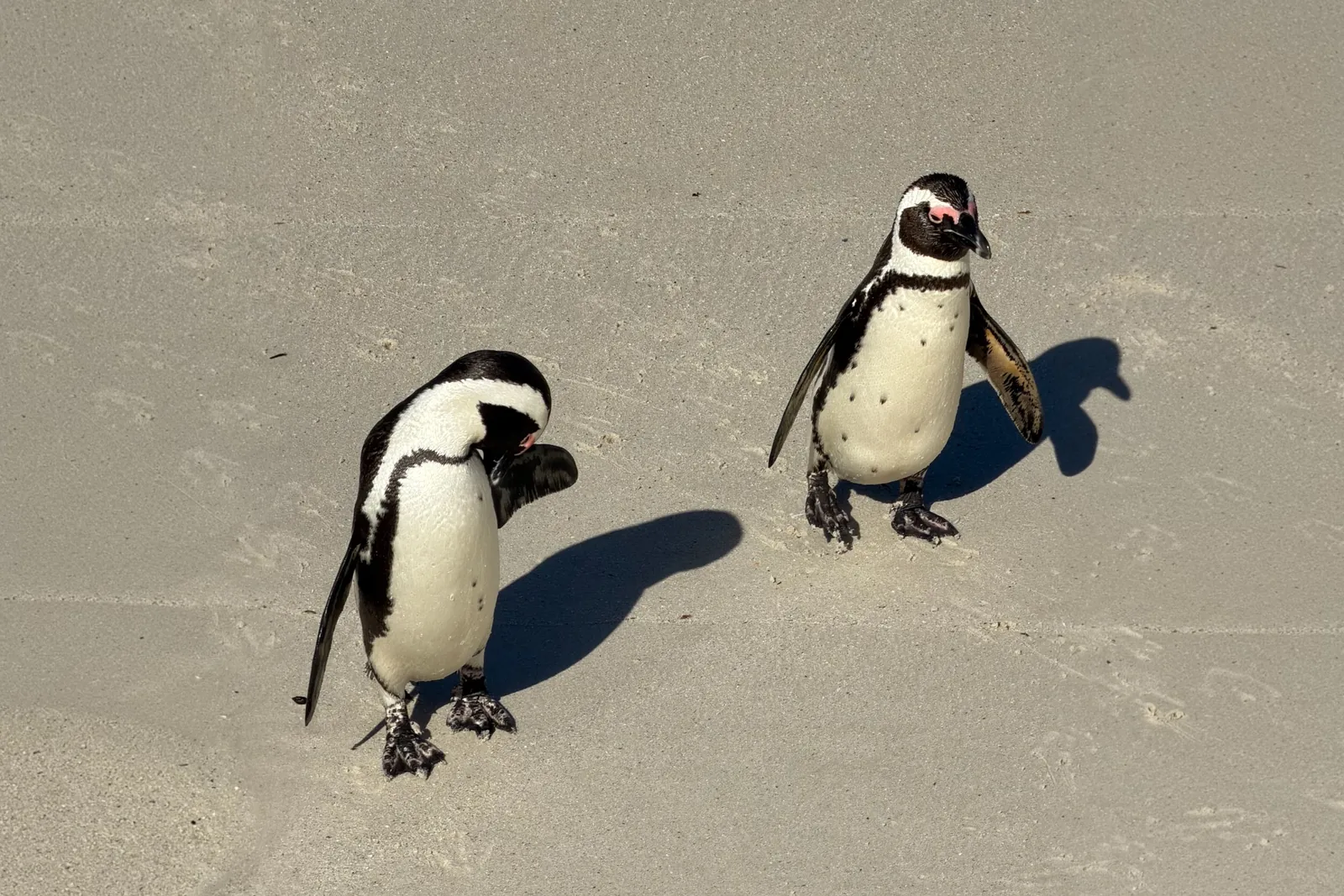
Cape Town works on two wheels all year round, but never in quite the same way. A long, dry summer, a wind that has a say in the route, a wetter but quieter winter, whales and wildflowers at just the right moment: the best month depends on what you want to bring home from the trip. Here is what each season really changes for riding, for photography and for planning your stay.
« There is no bad season for riding in Cape Town, only seasons that do not tell the same story. »
The seasons at a glance
December to February, summer: hot and dry, with days of more than 14 hours of daylight, but also the wind and the high season.
March to May, autumn: mild temperatures, a lower light, fewer people and vineyards changing colour.
June to August, winter: rain in spells, short days, quiet roads and gentler prices.
September to November, spring: whales, wildflowers, lengthening days and the wind coming back.
Summer (December – February): long days, heat and crowds
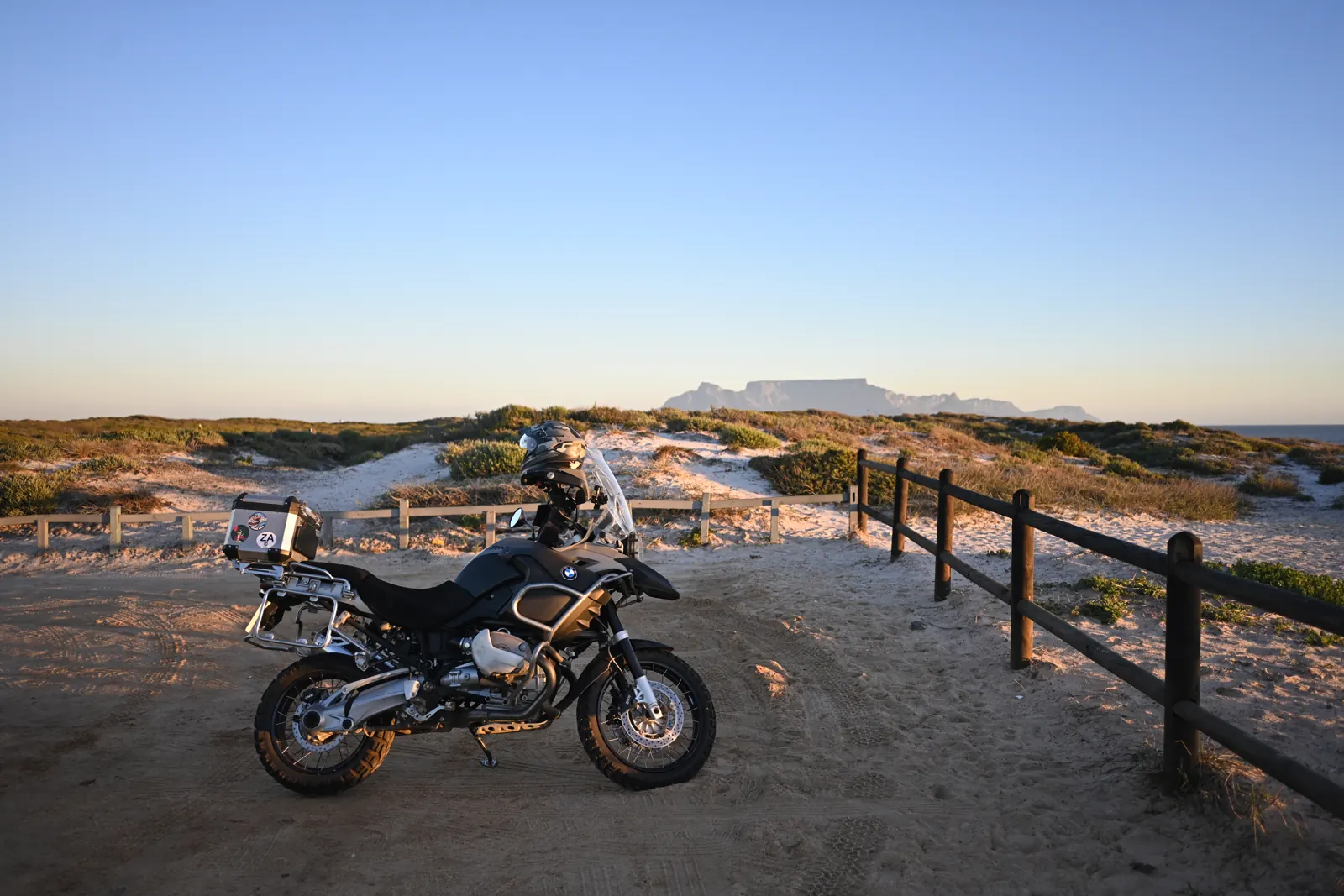
It is hot and dry: around 26°C on average in January, with peaks that can reach 35°C during heatwaves, and very little rain. Days run beyond 14 hours of daylight at the December solstice, with sunset around 8 pm. In practice you can set off early while the road is still cool, take proper breaks in the middle of the day and stay out for the golden light of the evening.
It is also high season. From mid-December to mid-January it is the local school holidays: the best-known sites are busier, accommodation costs more and the good addresses fill up quickly. Your ride is private, so we plan the day to reach the busiest places at quieter times whenever we can. Accommodation, however, does need to be booked early.
The wind: the “Cape Doctor”
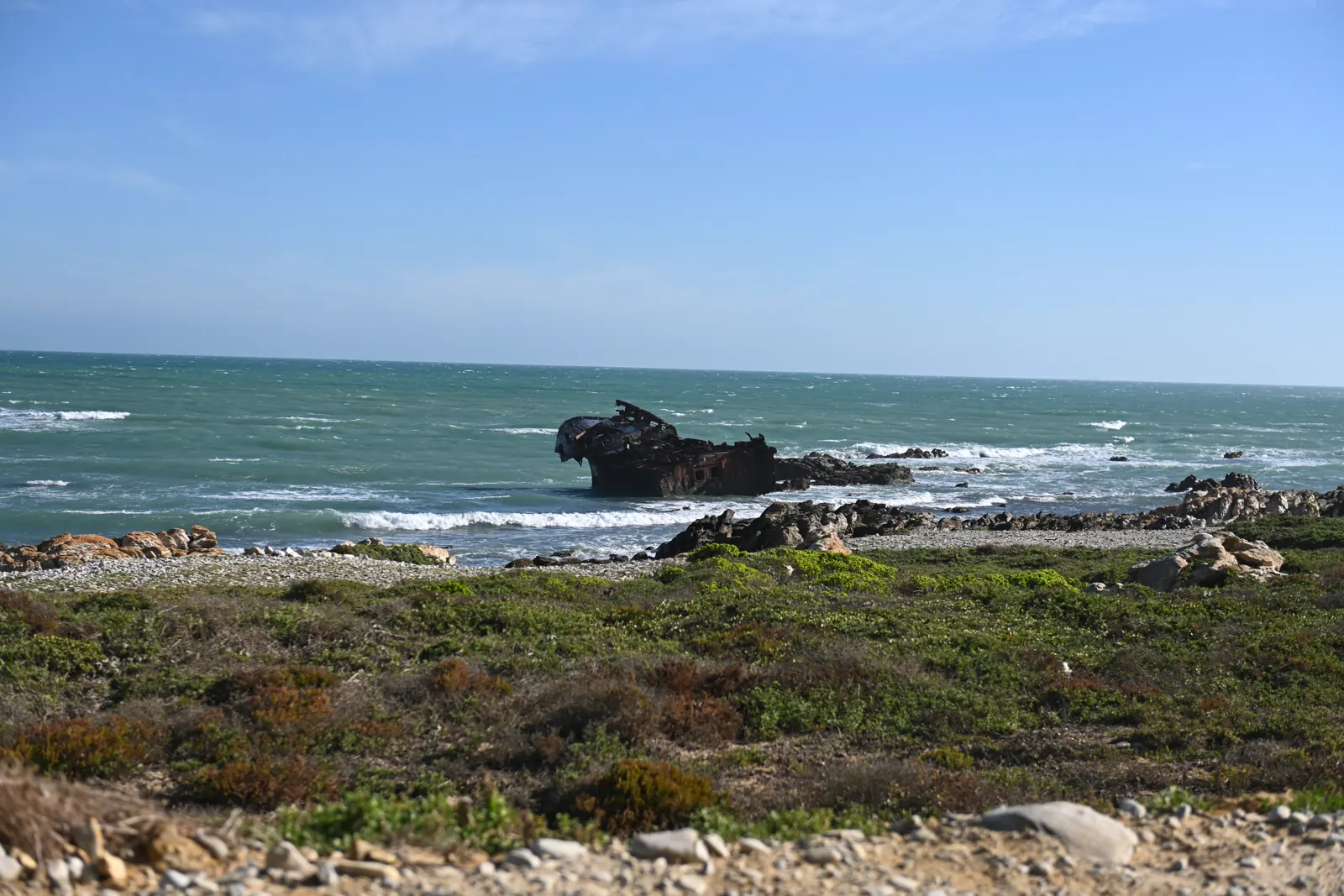
In summer, Cape Town is often swept by a strong south-easterly wind that locals call the Cape Doctor, because it clears the air. It blows mostly from November to March and can gust up to 100 km/h. A blue sky is therefore not enough to choose a route: on a motorcycle, wind matters as much as rain.
What it changes on the road: side gusts are tiring on exposed stretches, the sea is rougher and some sites are affected. Chapman’s Peak Drive can close temporarily in strong wind, rain or rockfall, the Cape Point funicular can stop running, and a cloud sometimes settles over Table Mountain like a tablecloth.
Our answer: check the forecast in the morning and before each leg, then adapt. Depending on the wind direction, we can reverse the loop, favour the sheltered coast or shorten a stage to lengthen a break. The aim is a good day, not a feat of endurance. For the other habits worth knowing, see Riding a motorcycle in South Africa: what is different from Europe; and for the peninsula’s best-known coastal road, Chapman’s Peak by motorcycle.
Autumn (March – May): mild days and the vineyards
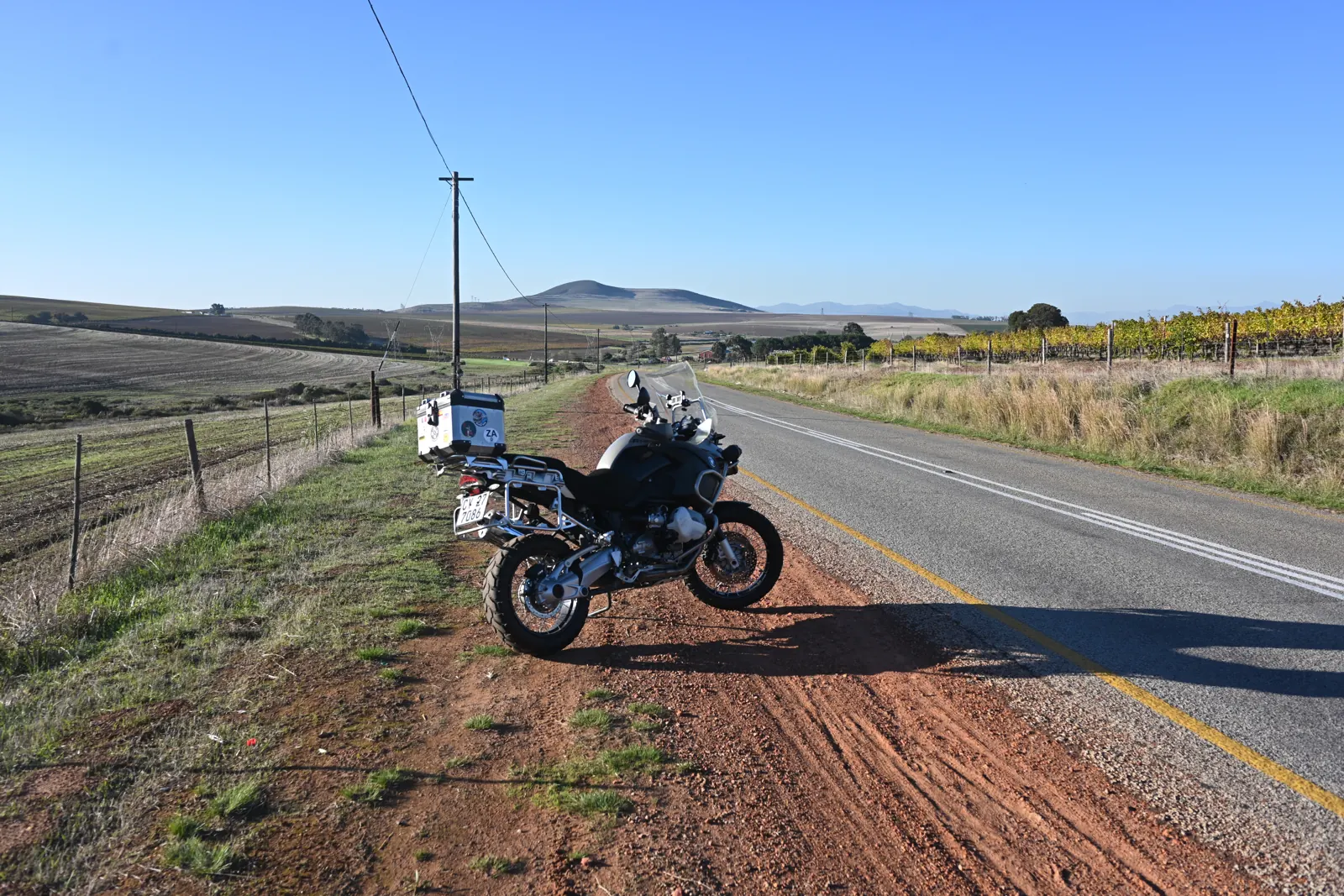
March and April are often warm, sunny and dry, with temperatures around 25°C. The summer crowds have gone, the roads and terraces are more pleasant, and the wind gradually eases. For a first trip, it is probably the best compromise.
The grape harvest runs from February to March, then the vines of the Winelands turn red and gold, especially in late April and May. For photography it is a very different setting from summer, and our vineyards ride suits it particularly well. From May the weather cools and the first rains arrive: pack a warm layer for the morning.
Winter (June – August): quiet roads, clear light and a little flexibility
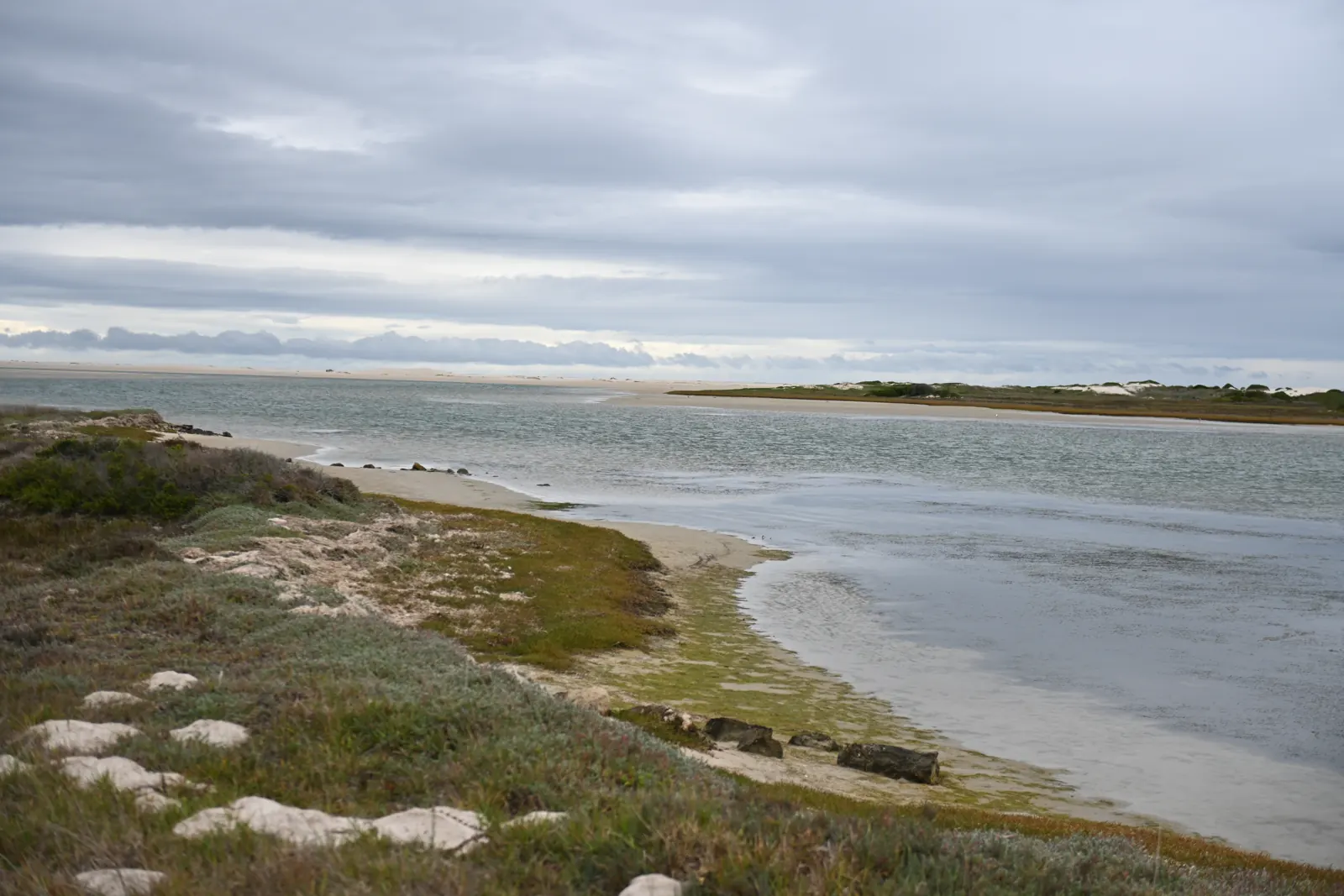
Rain falls mostly from May to August, with cold fronts that usually pass within one to three days. The days are short: about 10 hours of daylight at the June solstice, with sunset as early as 5:45 pm. It is around 18°C in the afternoon, and cool in the morning, around 7 to 8°C.
Between fronts, the air is often remarkably clear: the mountains stand out sharply, sometimes with snow on the distant peaks, and the low light is superb for photography. We adapt the distances and the start time so that you ride during the best hours of the day.
If you come in winter, keep a margin of a few days in your stay rather than putting all the riding on a single date. Accommodation is generally more affordable and the sites quieter. And if we have to cancel a ride because of dangerous weather, you choose between a new date agreed together and a full refund.
Spring (September – November): whales and wildflowers
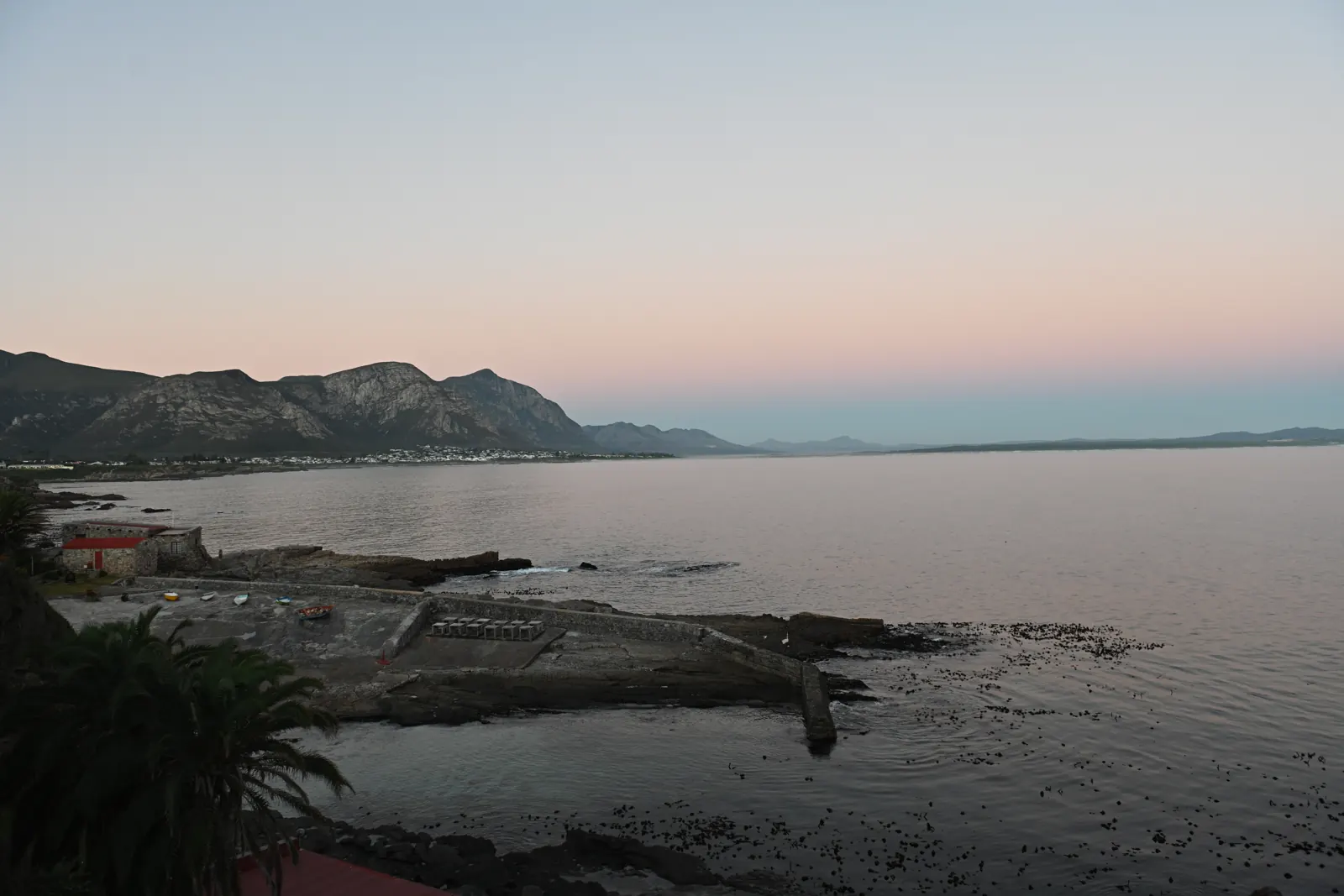
If you love nature, late winter and spring have a charm of their own. Southern right whales can be seen from July to November, with the best chances in August and September, notably from the shore at Hermanus, about an hour and a half from Cape Town. Wildflowers peak in August and September, notably in the West Coast National Park, about an hour from Cape Town. Our West Coast ride, which runs as far as Langebaan, takes on a different look at this time of year.
In October and November the days lengthen, the vines turn green again and the south-easterly returns. These are seasonal sightings, not promises: wildlife and flowering depend on the year and the weather.
Which month to choose
For a balanced first trip: March, April and November. Mild warmth, fewer people, calmer prices.
For long days and heat: December to February, accepting the wind and the holiday crowds.
For photography: April and May for the colours of the vineyards, or the clear light of a winter day between two fronts, or a late summer afternoon.
For whales and wildflowers: August and September.
For gentler prices and quiet roads: winter, with some flexibility in your dates.
Planning your stay
Book in good time. For December-January and the Easter period, book your flights and accommodation several months ahead. Local school holidays vary from year to year (mid-December to mid-January, Easter, June-July and late September): check them for your dates.
No jet lag to recover from. Cape Town is on the same time as France in the European summer and one hour ahead in winter (late October to late March). You arrive after an overnight flight with no jet lag and can ride the very next day.
Check the sun. For a photo stop at the end of the day, check the sunset time for your date (around 8 pm in December-January, 5:45 pm in June) and the time the motorcycle has to be returned.
What to wear. Helmet, jacket and gloves are provided. Bring closed shoes, thin layers to add or remove through the day, and rain protection if you come between May and August.
Choose your date with us. Our rides are scheduled on request: we agree a date together based on your availability and the forecast, and if the weather requires it, we move the ride to another date.
Frequently asked questions
What is the best month for a motorcycle trip to Cape Town?
It depends on what you are after. For a balanced first trip, March, April and November offer mild warmth and fewer people. From December to February the days are long and hot, but the wind and the crowds are stronger. August and September are the months for whales and wildflowers.
Can you ride in Cape Town in winter?
Yes. Rain comes in fronts that usually pass within one to three days, and the days between fronts are often clear and bright. The days are short, so we adapt the distances and the start time. If we have to cancel because of dangerous weather, you choose between a new date and a full refund.
Can the wind stop you from riding?
The south-easterly more often changes the route than cancels it: we can reverse the loop, favour the sheltered coast or lengthen the breaks. We will never ask you to ride in dangerous conditions.
When can you see whales near Cape Town?
Southern right whales can be seen from July to November, with the best chances in August and September, notably from the shore at Hermanus. It is a seasonal sighting, not a promise: it all depends on the year and the weather.
What should I bring to wear?
Helmet, jacket and gloves are provided. Bring closed shoes, thin layers to add or remove through the day, and rain protection if you come between May and August. Mornings and evenings can be cool even in summer.
Do I need to book far in advance?
For mid-December to mid-January and the Easter period, book your flights and accommodation several months ahead. For the ride itself, we agree the date with you on request: write to us with your possible dates.
Cape Ride Adventures
Choose your date with Mathis