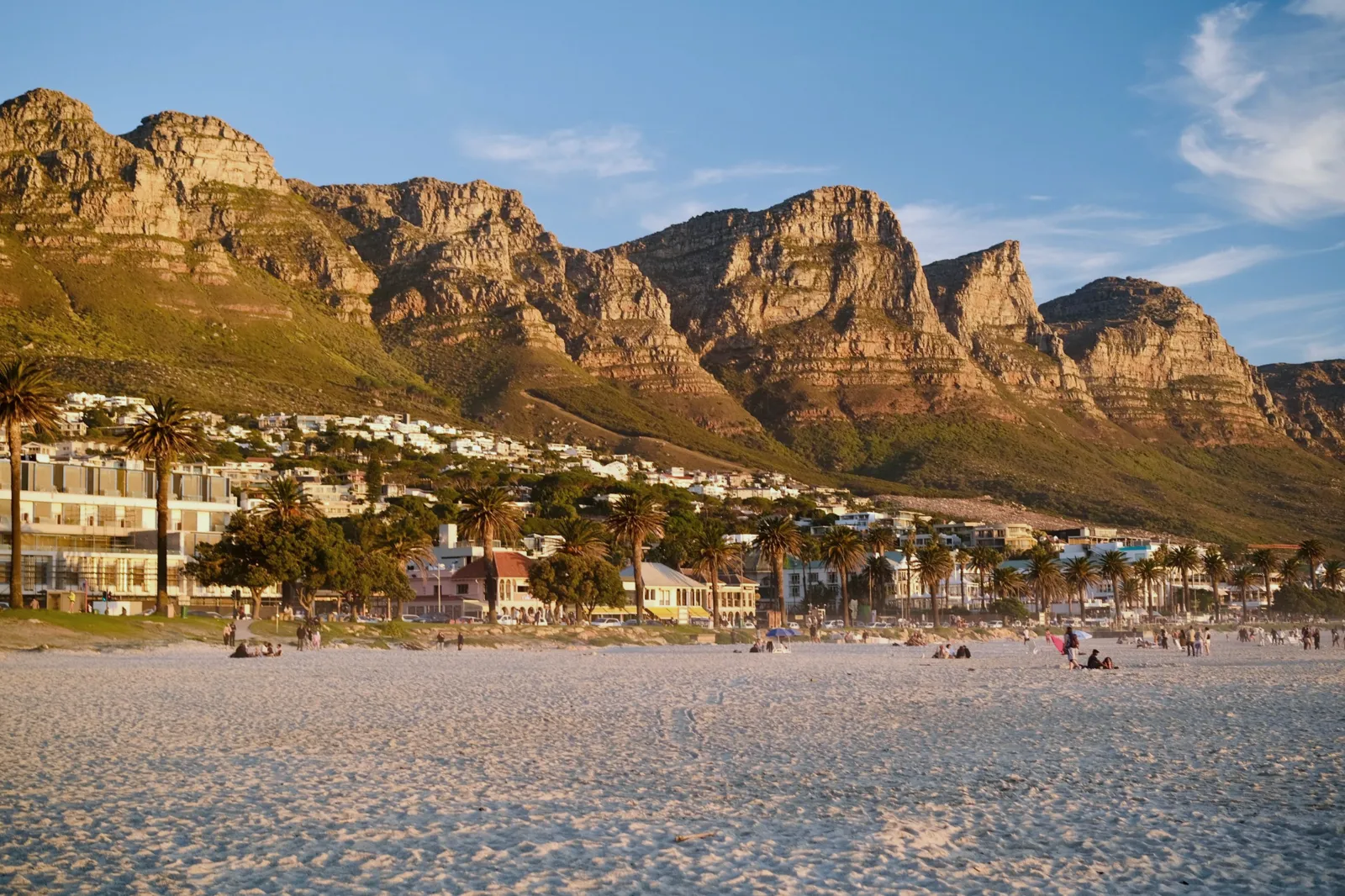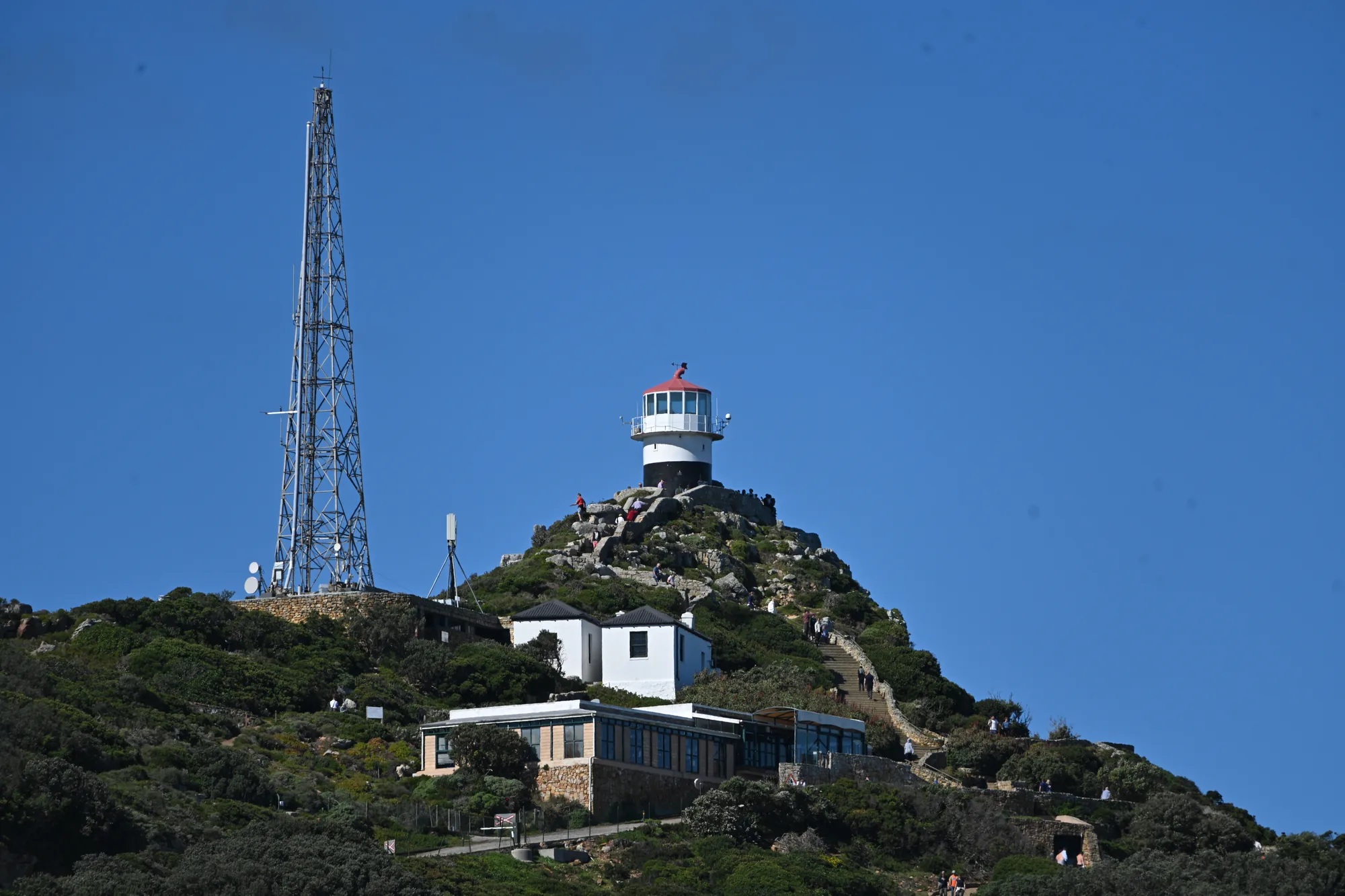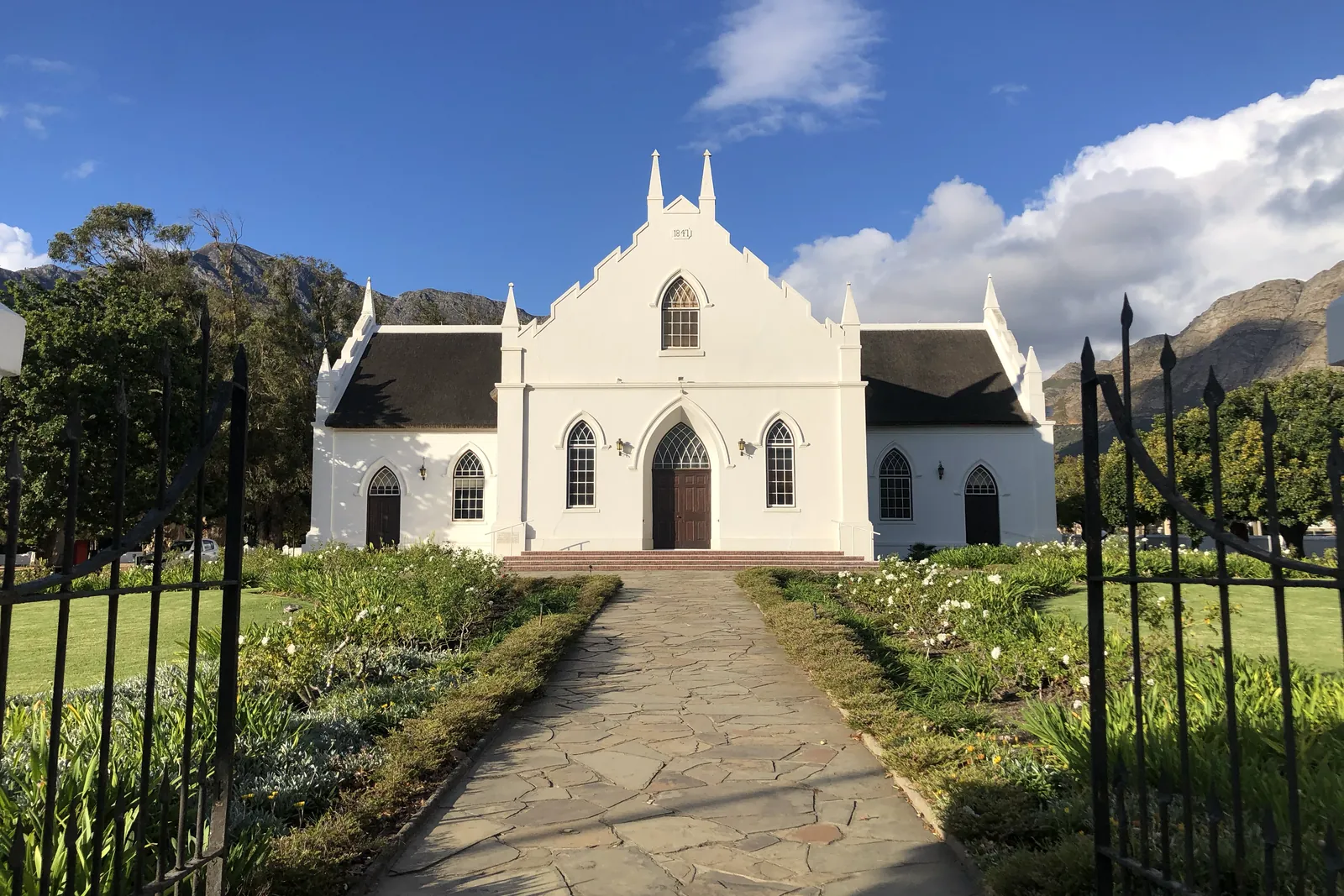
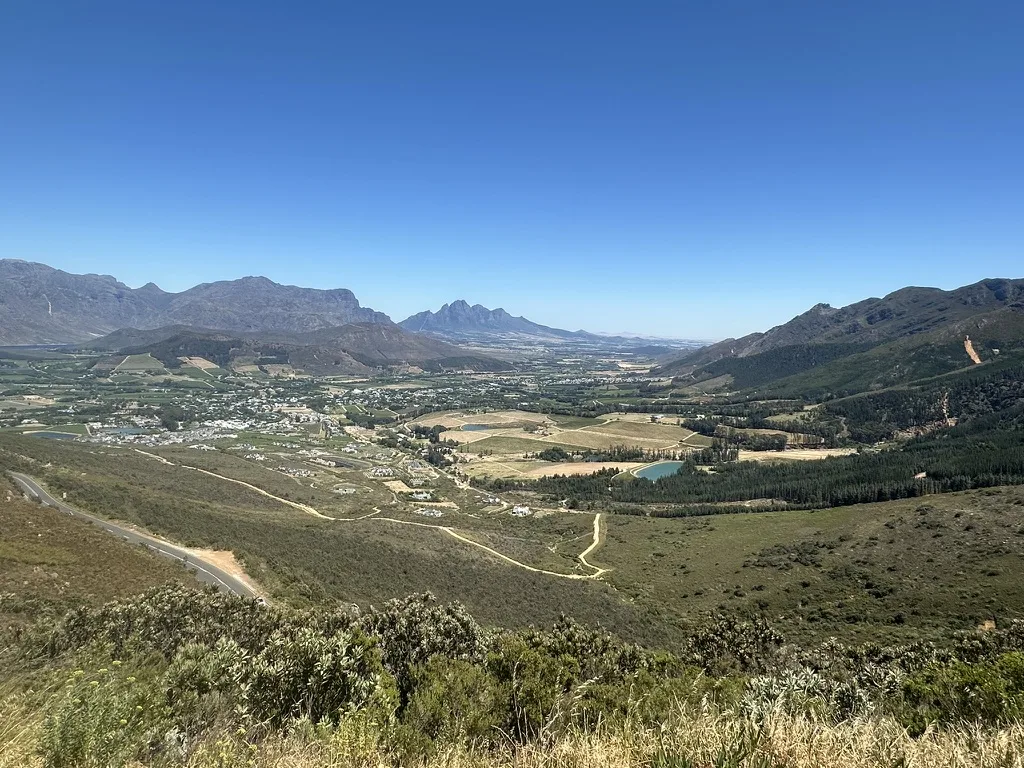
About an hour from Cape Town, Franschhoek lies in a valley closed in by mountains. Its name means “the French corner”: exiled Huguenots planted the first vines here more than three centuries ago. Today it is a village you can explore on foot, between galleries, terraces and wine estates.
A valley of mountains and white houses
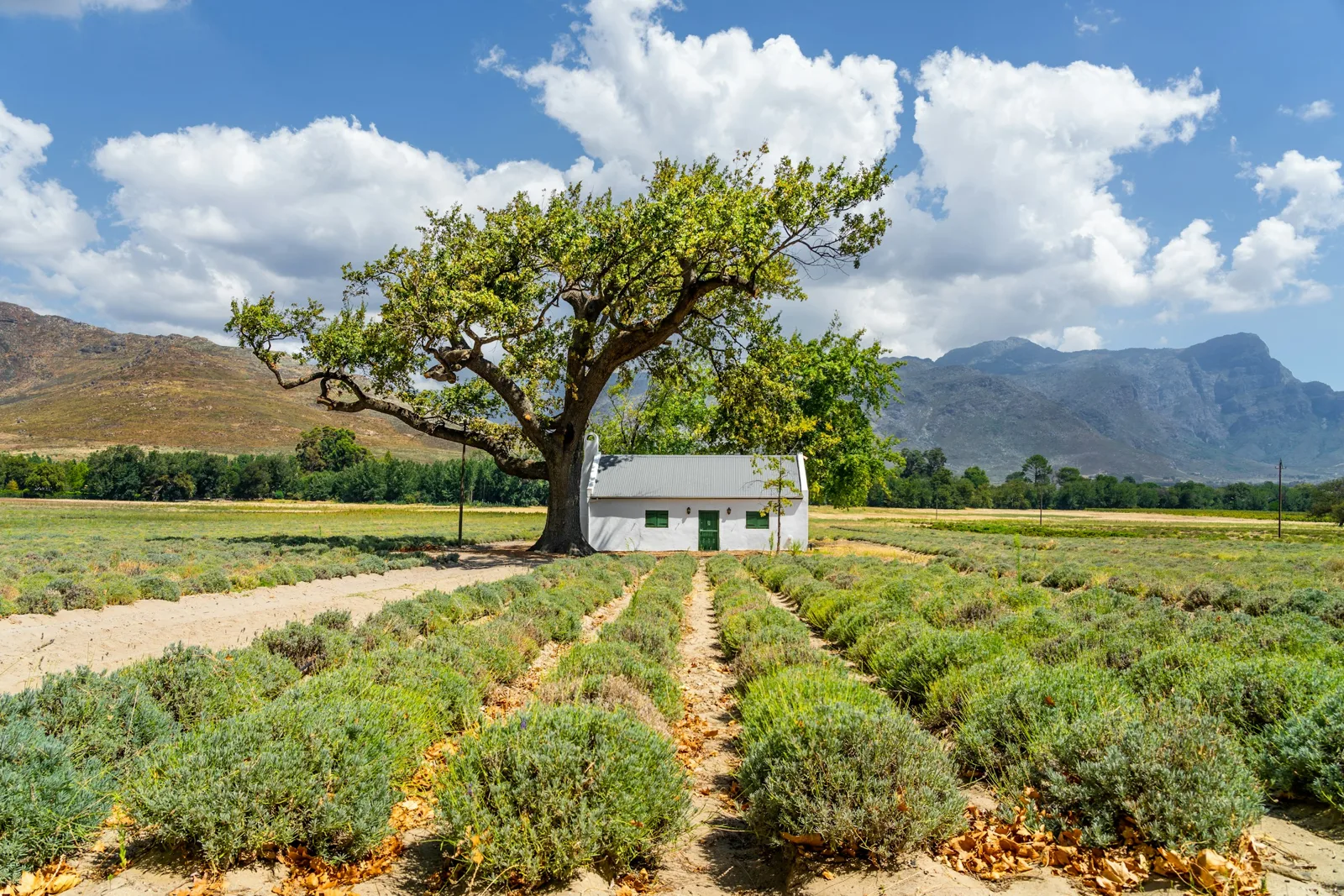
Cape Dutch architecture appeared in the 17th and 18th centuries. Its hallmarks are lime-washed white walls, thatched roofs and above all large decorated gables, often scrolled, above the entrance. Dutch, then German and French settlers blended ideas from Europe with techniques suited to the climate: thick walls, small windows, large shaded courtyards.
They can be seen in Stellenbosch, the second oldest town in the country after Cape Town, in Franschhoek, in Paarl, and on the great wine estates. Many of these homes were built and maintained by craftsmen and enslaved people, often of Cape Malay origin, whose work is increasingly recognised today.
The Huguenots of Franschhoek
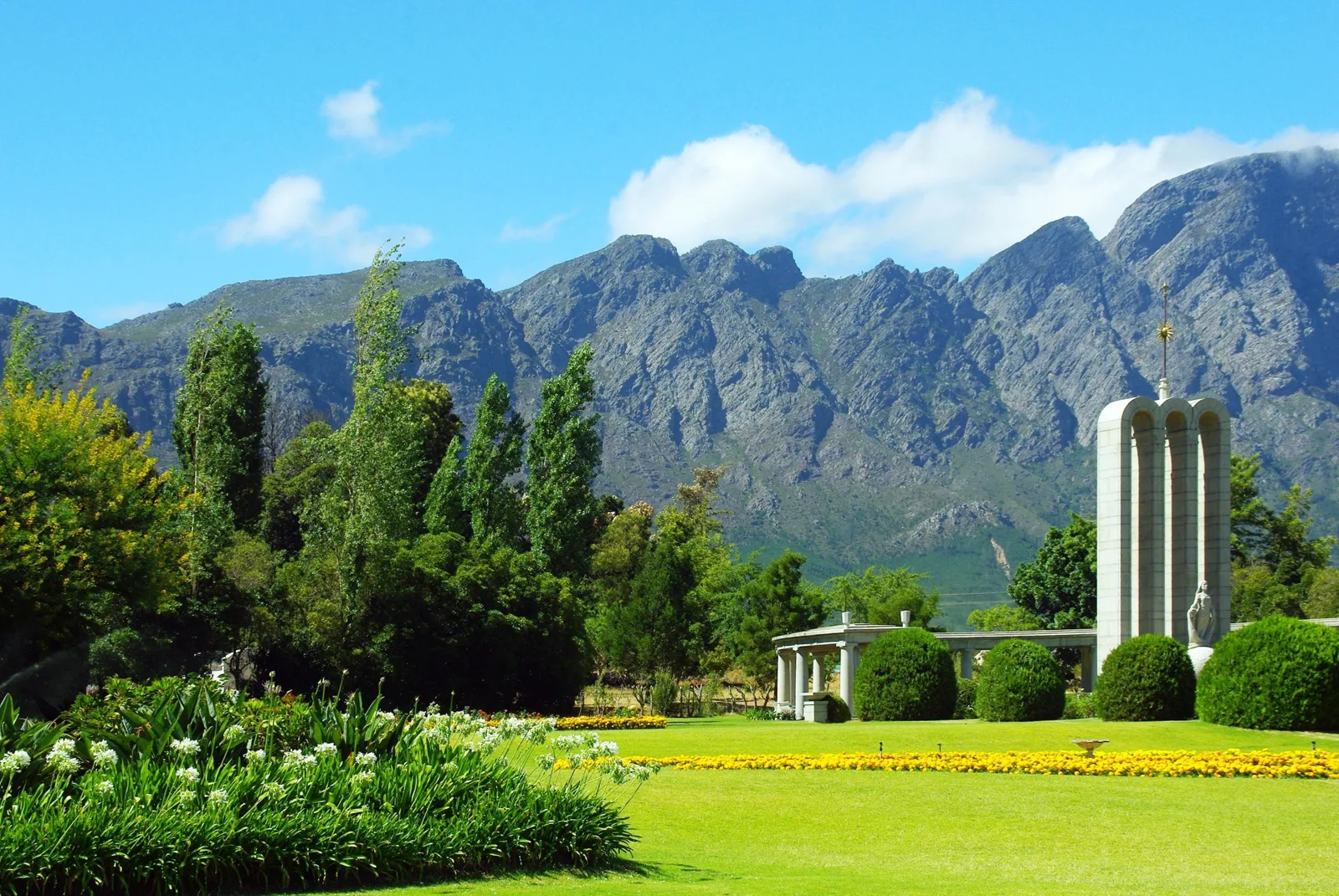
In 1685, the revocation of the Edict of Nantes pushed thousands of French Protestants, the Huguenots, to leave France. About 200 of them reached the Cape from 1688, and the Dutch company granted them land in a valley that came to be called Franschhoek, the “French corner”.
The settlers did not keep their language, which was absorbed within a few generations, but they left estate names (La Provence, La Motte, L’Ormarins, Haute Cabrière…), family names (Le Roux, Du Toit, Joubert, Malan, Marais, Malherbe) and a winemaking know-how. A monument to them stands at the entrance of the village.
Franschhoek, a village you can walk
The name raises a smile, but Franschhoek is genuinely unusual in South Africa: it is a village where you leave the car and stroll on foot. Along the main street and the lanes around it, art galleries, restaurants, cafés and small shops follow one another under the trees, with room to wander, stop and set off again. In most other South African towns you simply can’t walk from a terrace to a gallery like this.
An easy walk: follow Huguenot Street from one end to the other. Between the galleries, the craft shops and a well-known chocolate maker there is always a terrace to stop at, and the walk ends in front of the Huguenot Monument, which stands at the far end of the village. Allow half a day if you take your time, more if you step into every gallery.
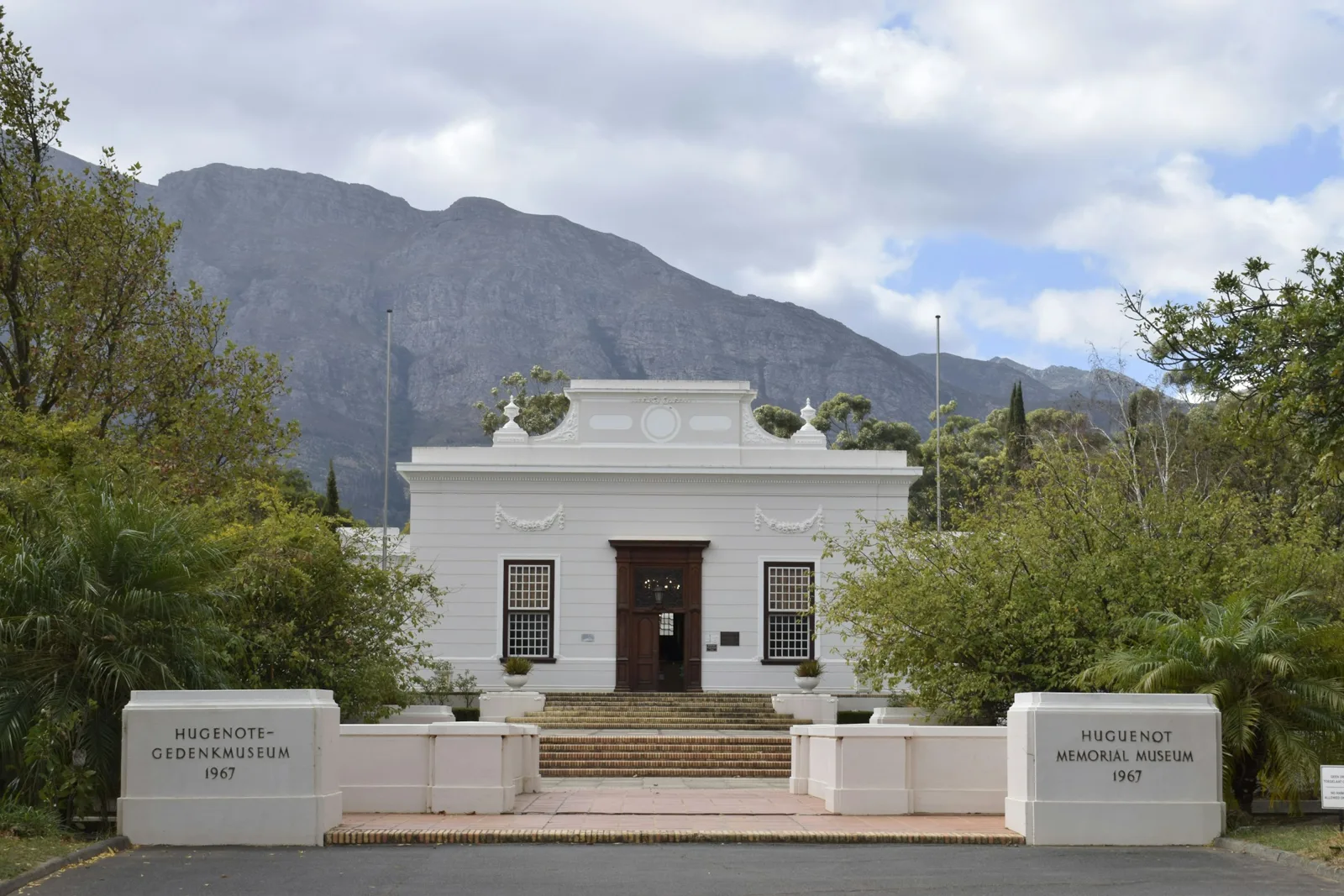
There is real cultural life too: exhibitions, concerts and live music at weekends in some cafés and restaurants, and, depending on the season, a village market with music and local produce stalls (check before you come, days and hours change). You will also find the Huguenot Memorial Museum, which traces the arrival of the French families.
It is an easy stop with children as well: several terraces have a small play area next to the tables, the parks let everyone catch their breath, and the choice of restaurants is wide enough to please everyone, from a relaxed brasserie to fine dining. As anywhere, walk by day and stay in the centre, but the village really suits a quiet day without the car.
At the table on the estates
Estate cooking is the direct inheritance of Winelands history: bobotie and mild curries of Cape Malay origin, meats grilled on the braai, home-made cheeses and breads, melktert for dessert, and often a dish of the day inspired by farm produce. It is a chance to taste, with a glass of wine, the blend of traditions this article describes. In the glass, the valley is known for its chenin blanc, its semillon and its Cap Classique sparkling, made the champagne way.
A good example: L’Ami, the family brasserie at La Motte estate, on an estate that itself carries a French name. The mood is relaxed and the cooking seasonal, farm to table, with some open-fire cooking and local, traditional flavours given a modern, unfussy twist. You eat indoors or on the large *stoep* overlooking the gardens and old oaks, with the estate’s wines at cellar-door prices and a children’s menu. Lunch is served every day, dinner only on Friday and Saturday: book ahead, and check the hours on their website before you come.
The Wine Tram and good ways to discover the region
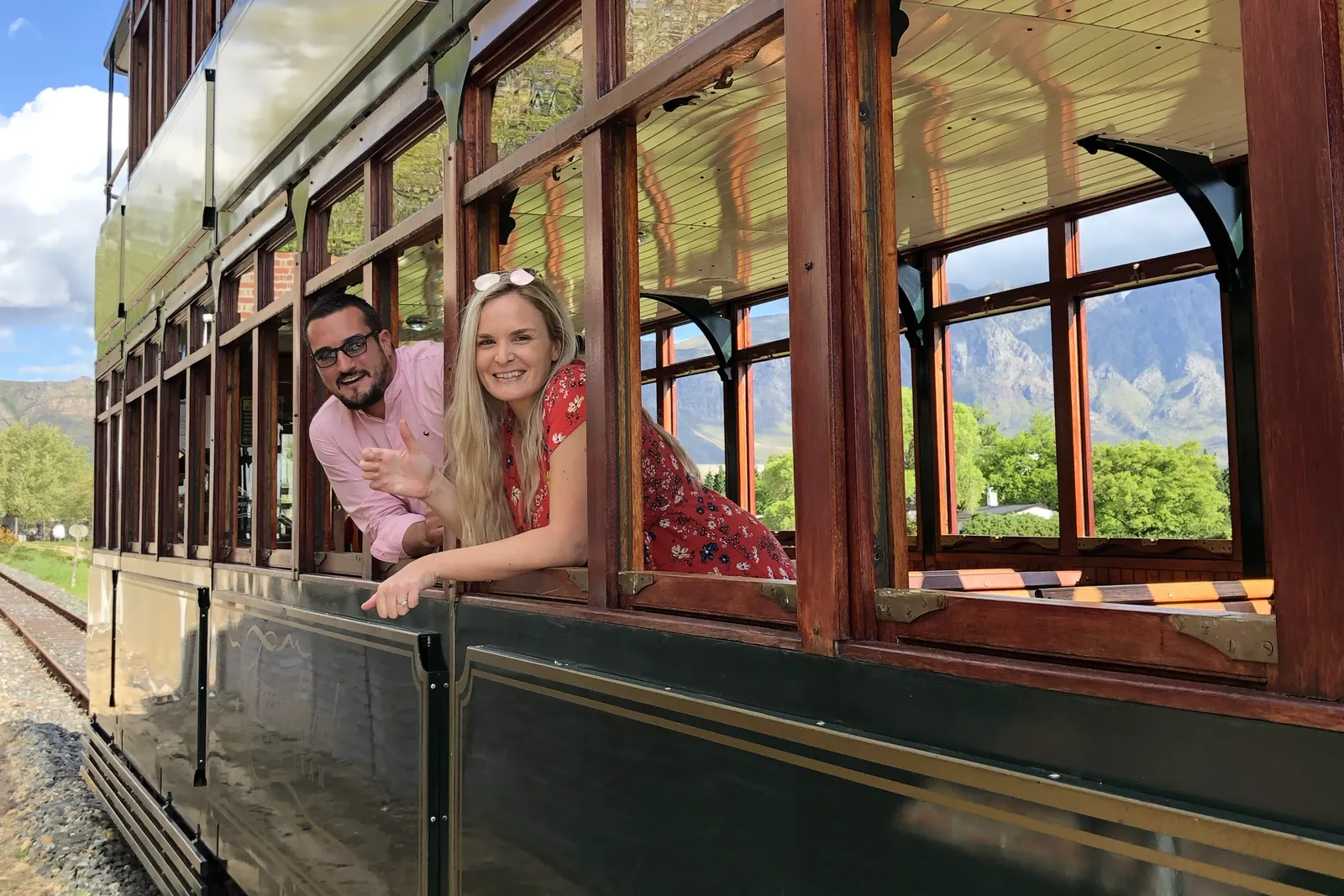
In Franschhoek, a tourist tram links several estates and lets you hop on and off at your own pace. It is a simple, friendly way to discover several places without driving. The Winelands can also be explored very well by car with a driver, or by motorcycle for the pleasure of the road.
One rule that we always apply: no alcohol on the bike. To taste in peace, a vehicle with a driver is better. For the road itself, read Franschhoek and the Winelands by motorcycle.
Bastille weekend and the motor museum
Every July, the village celebrates its French roots with the Bastille Festival: a weekend of red, white and blue, music and tastings in the streets. Car and bike lovers get their own stop too: the Franschhoek Motor Museum, on L’Ormarins estate, gathers more than a century of classic cars and motorcycles. It makes a good one-hour break when the heat builds or the sky turns grey. Visits are sometimes by appointment only, so check before you go.
When to go
The harvest runs from February to April, and the vines turn russet and gold in May, a magnificent moment for photography. Winter (June to August) is wetter, with mountains sometimes snow-capped, but estate restaurants with log fires are then very pleasant. Spring, from September to November, is fresh and in bloom.
What a visit tells today
More and more estates also tell the other side of their history: the work of the enslaved, farm workers and families who built these vineyards. Ask questions, visit the estate museums where there are any, and taste, beyond the wine, the cooking of the Cape, between Cape Malay heritage and Afrikaans table traditions.
Frequently asked questions
Why does Franschhoek have a French name?
Because French Huguenots, exiled Protestants, were granted land there from 1688. Franschhoek means “French corner” in Afrikaans.
Can you visit Franschhoek on foot?
Yes, the village centre is compact: galleries, cafés, restaurants and shops are all walkable, by day. The wine estates are further out.
How far is Franschhoek from Cape Town?
About an hour by road, which makes a lovely day trip, or a stop on a Winelands tour.
Can I taste wine if I ride a motorcycle?
We apply a zero-alcohol rule before getting back on the bike. To taste, choose a tour with a driver.